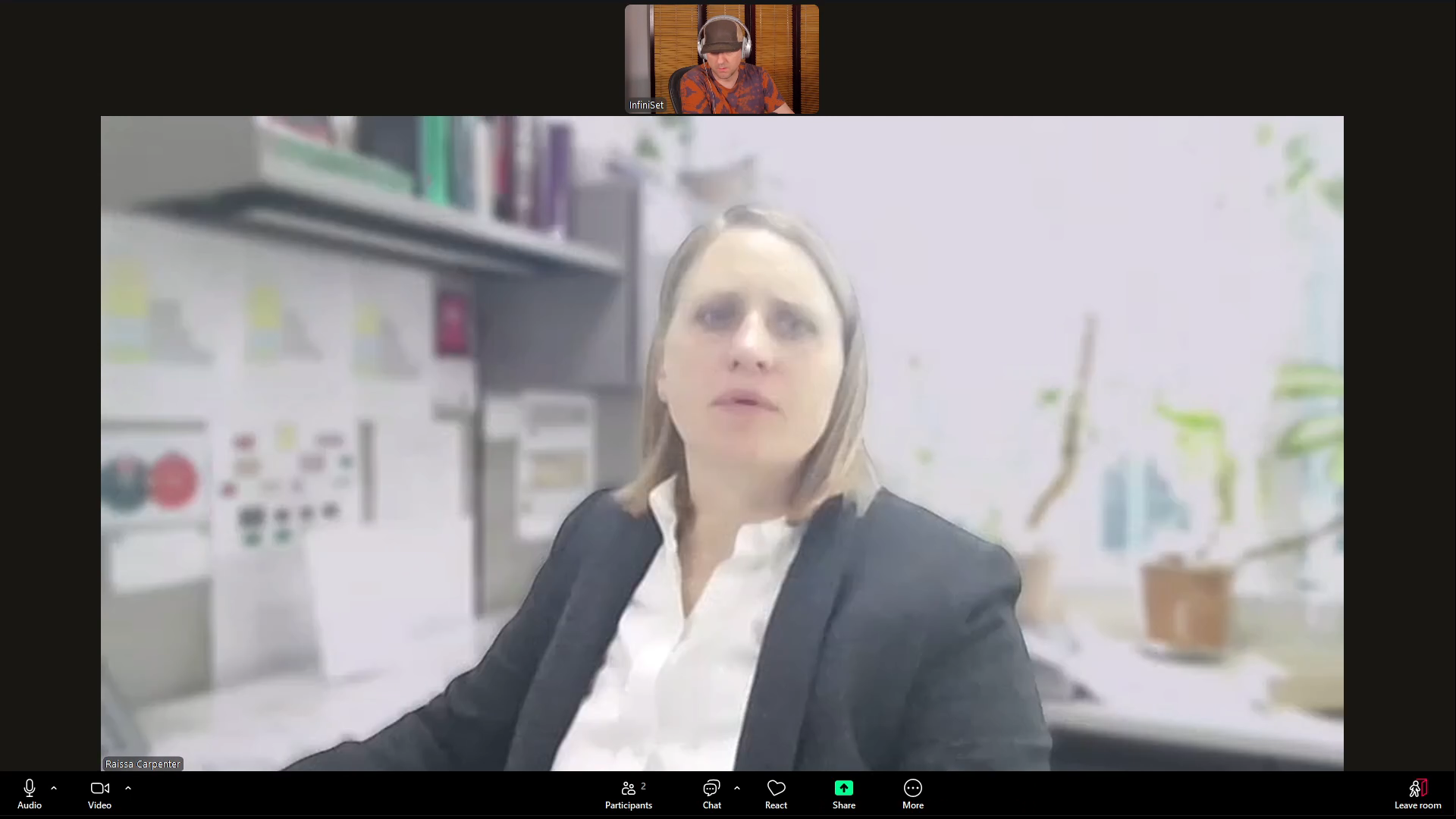
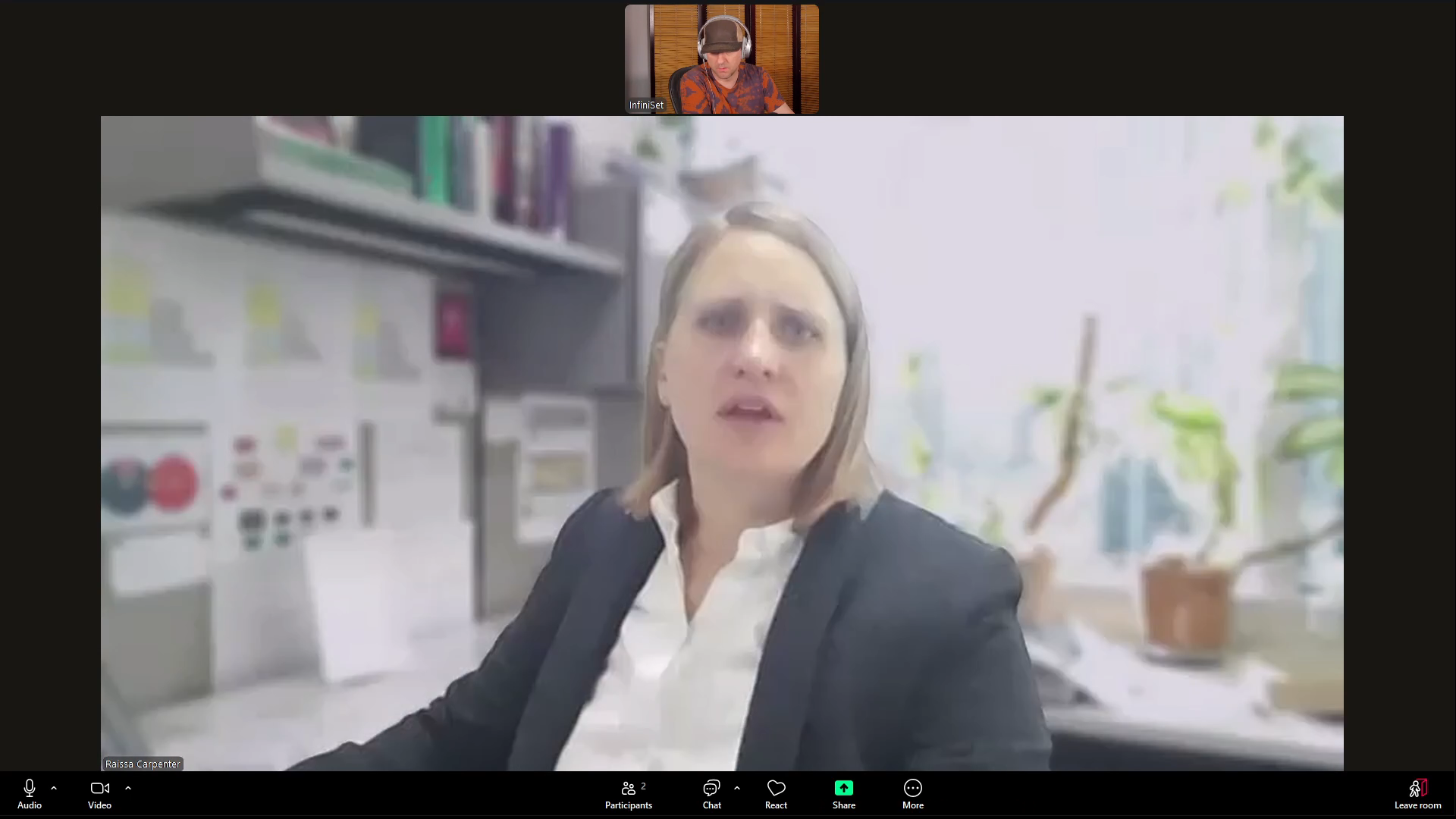
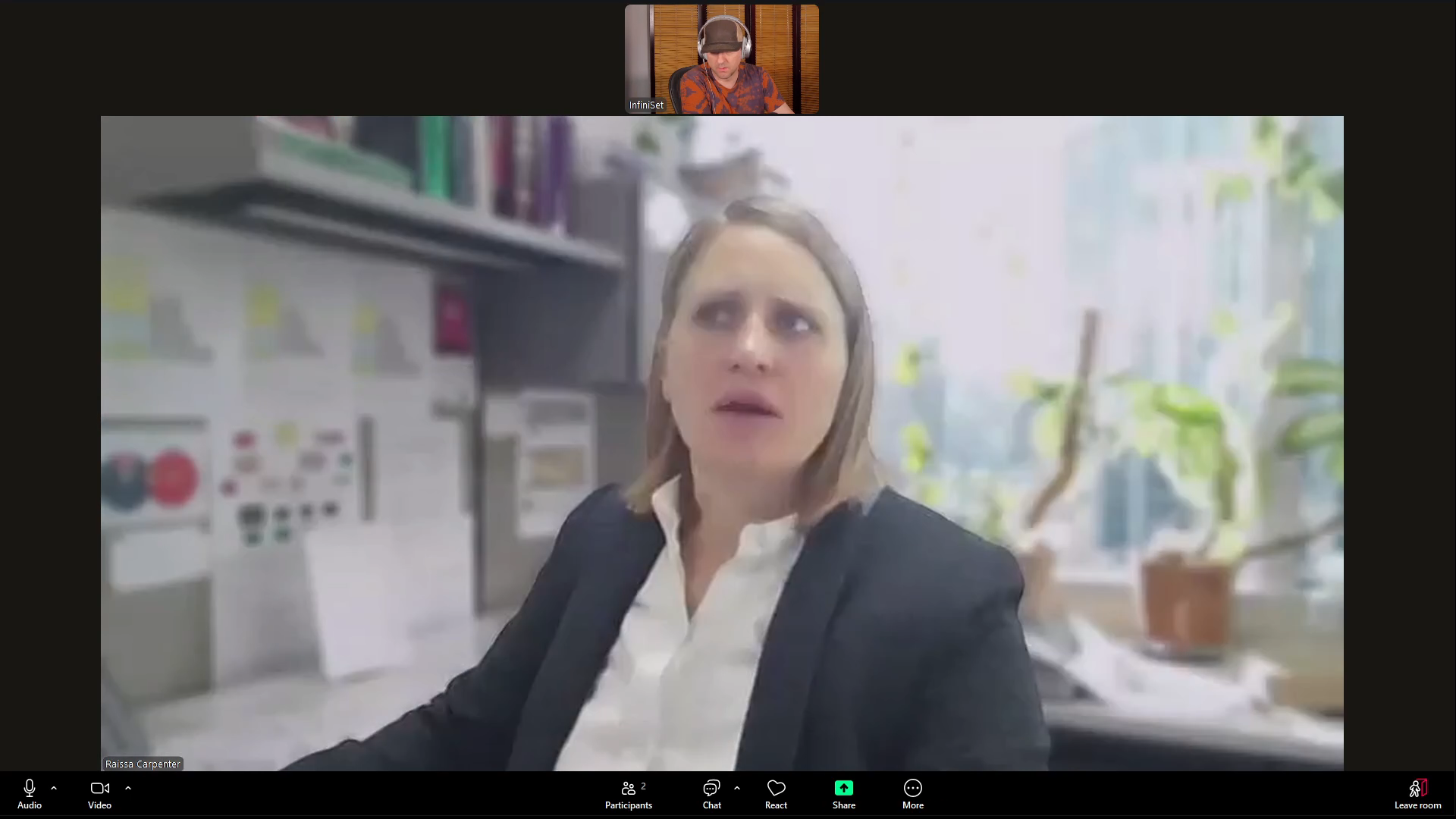
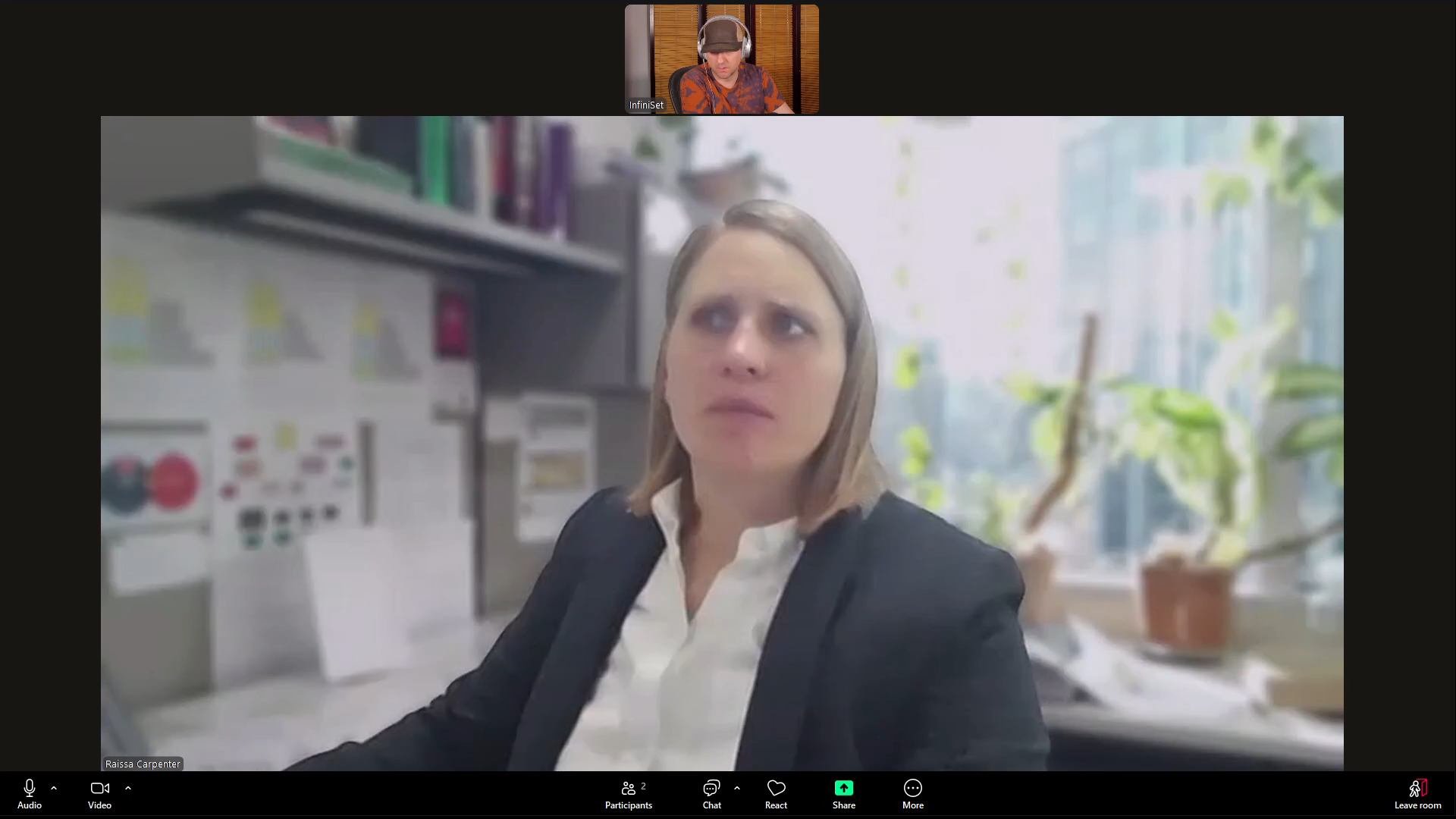
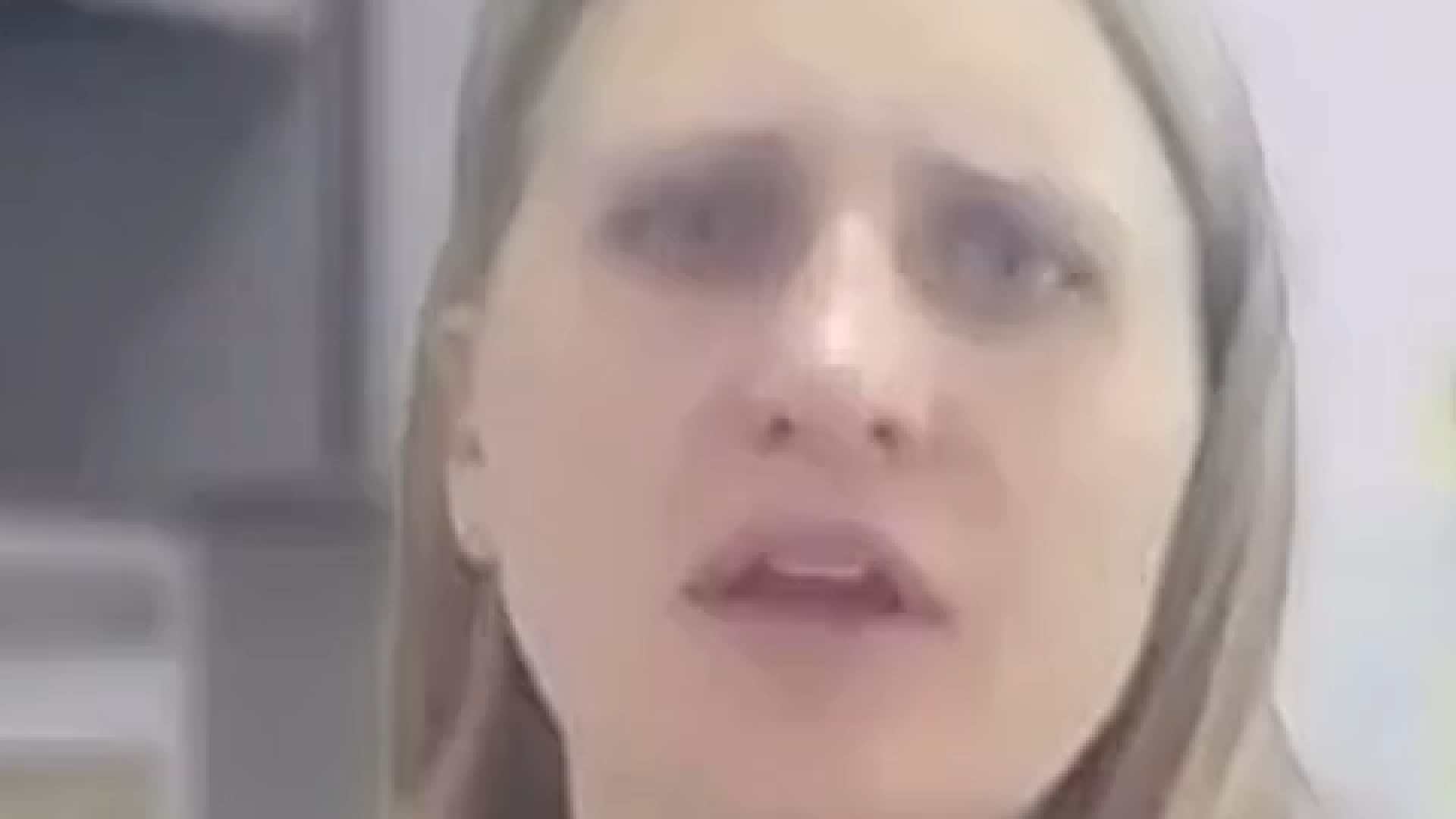
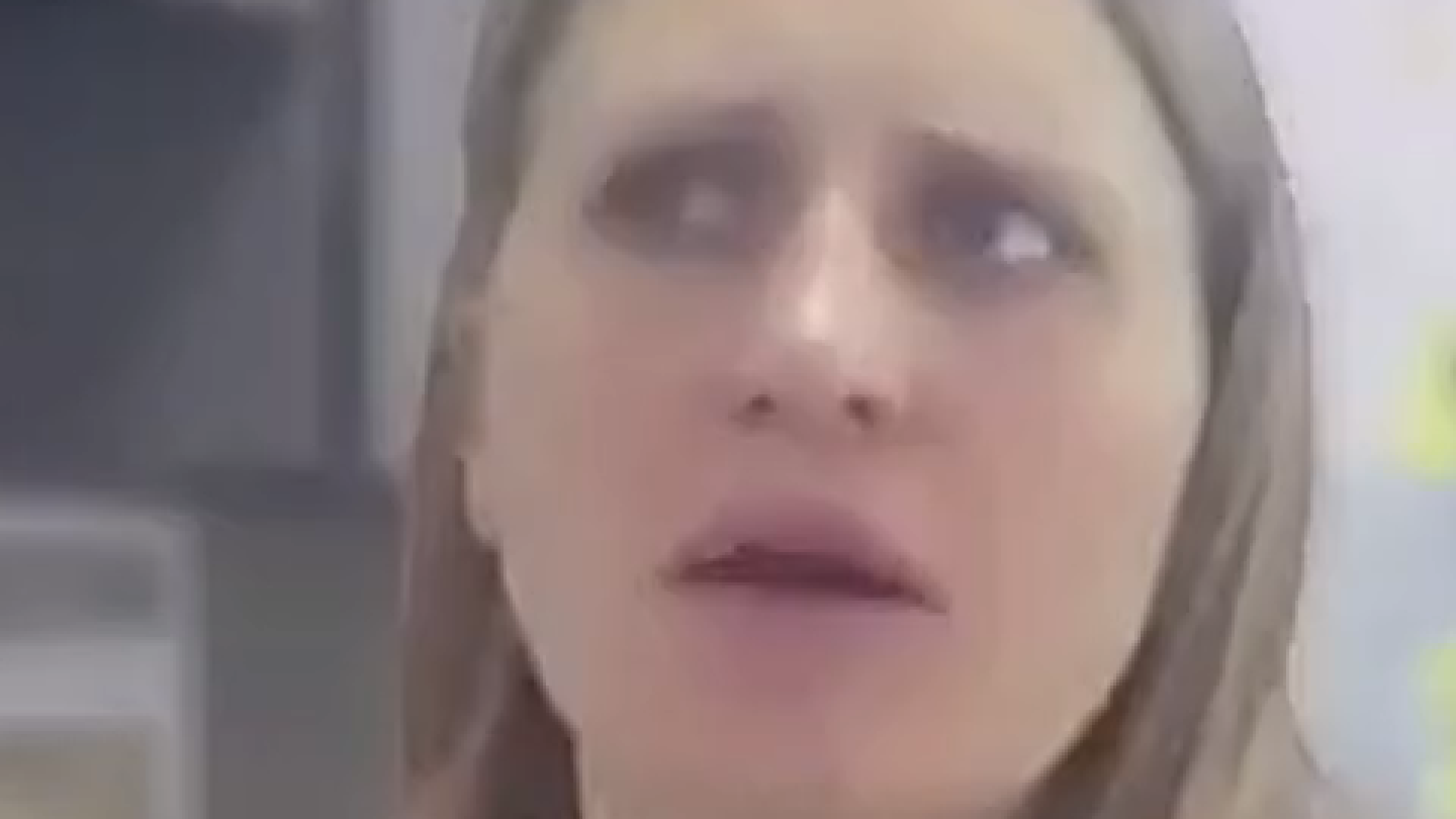
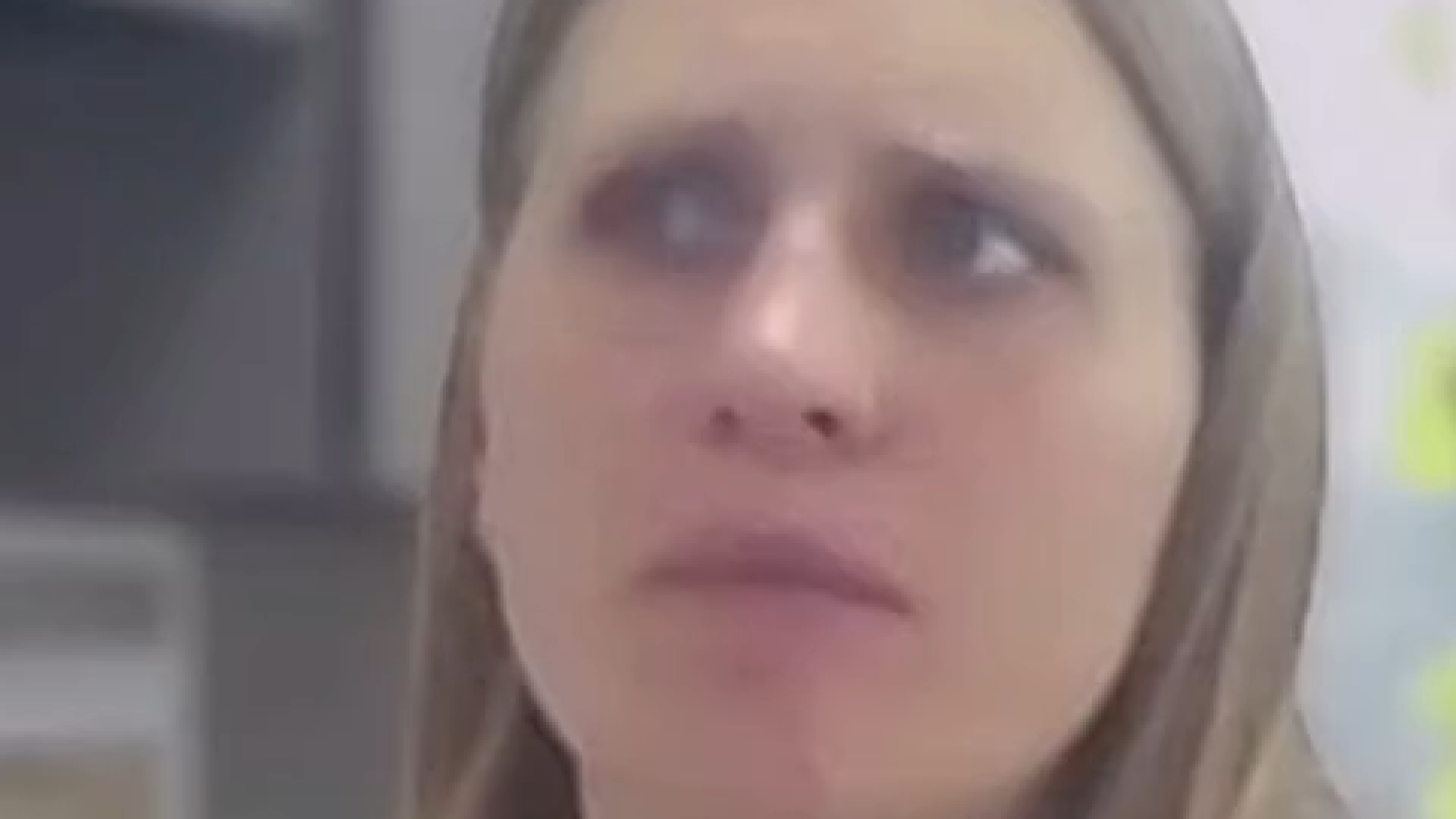
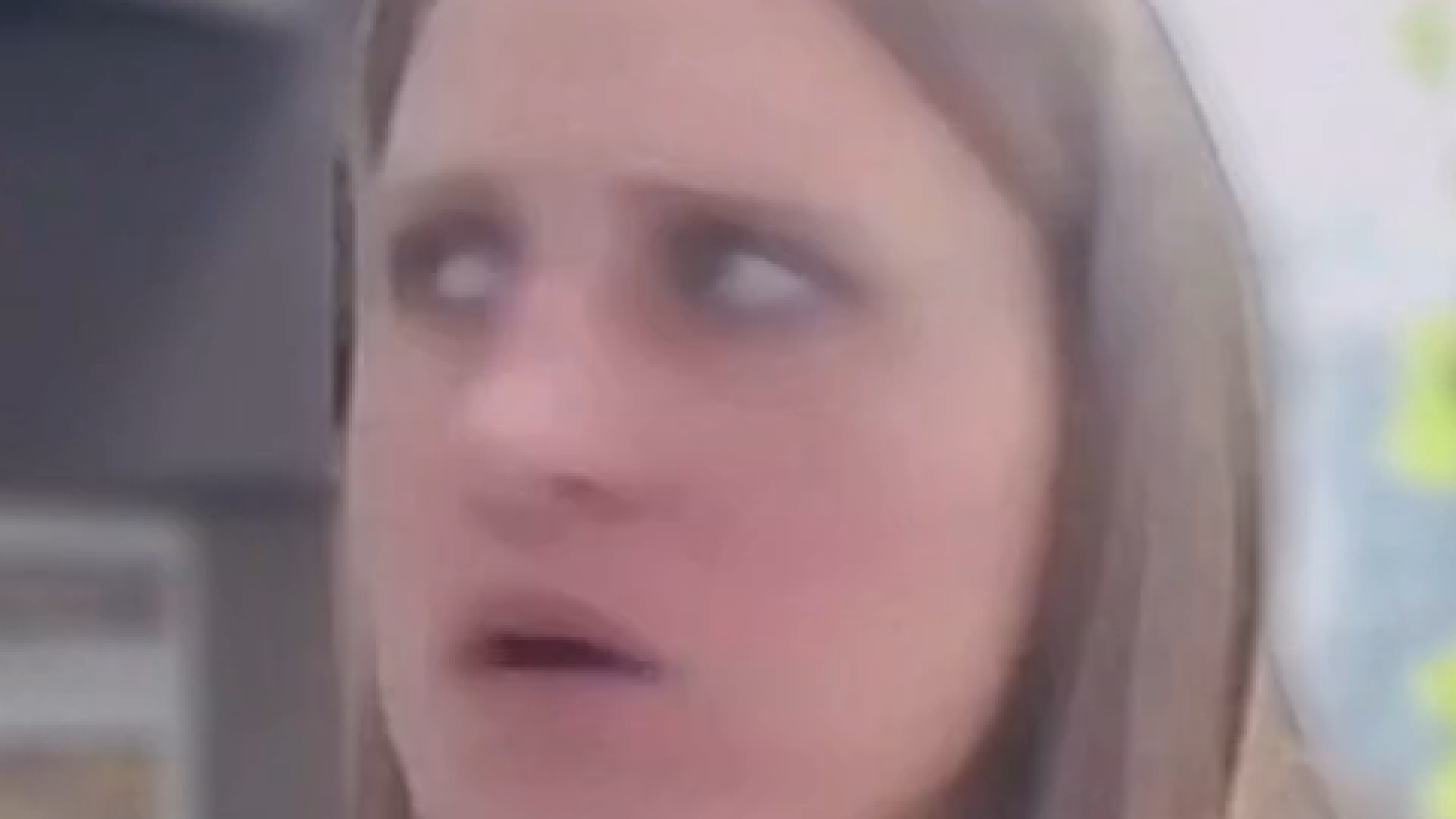
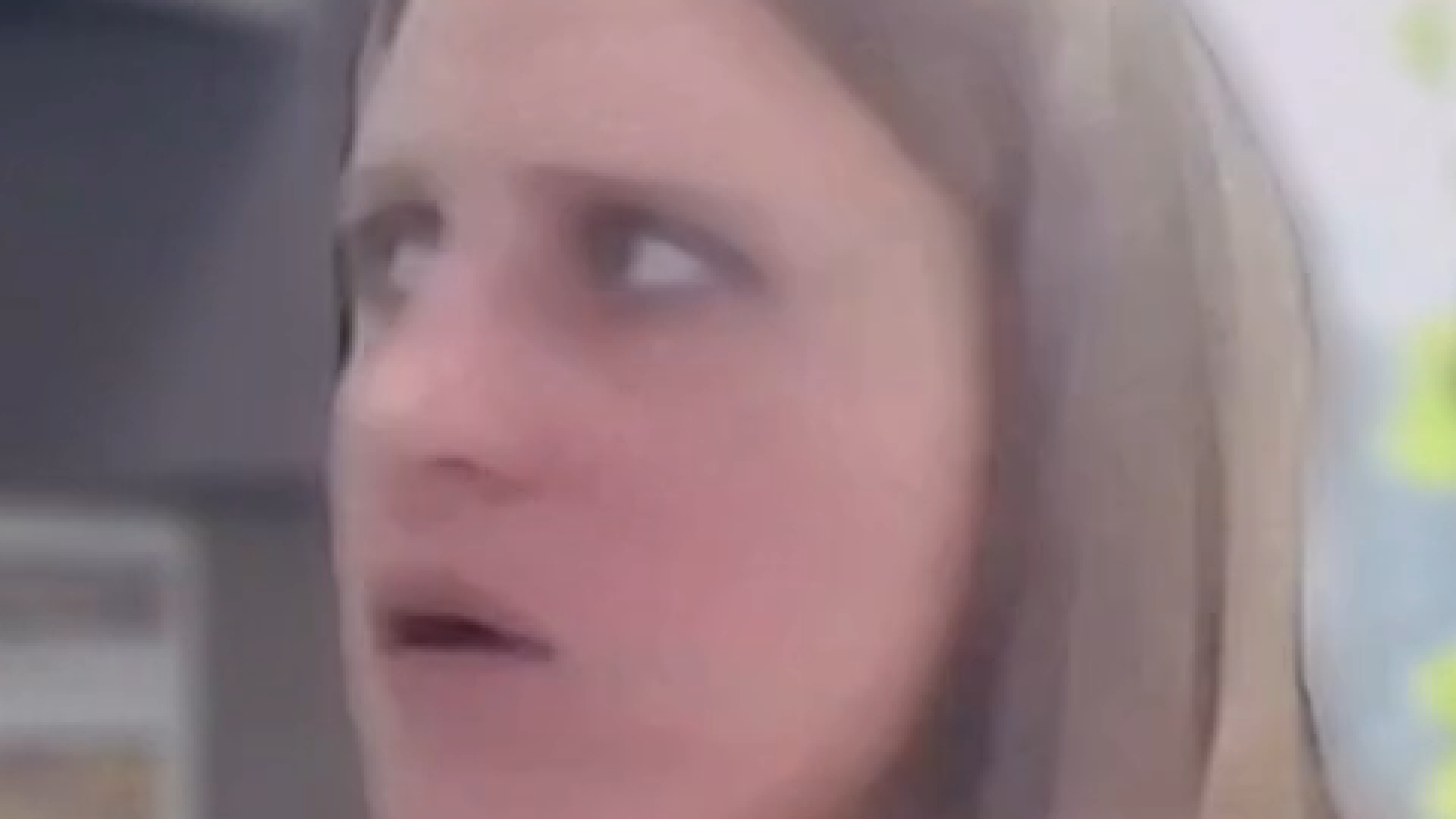
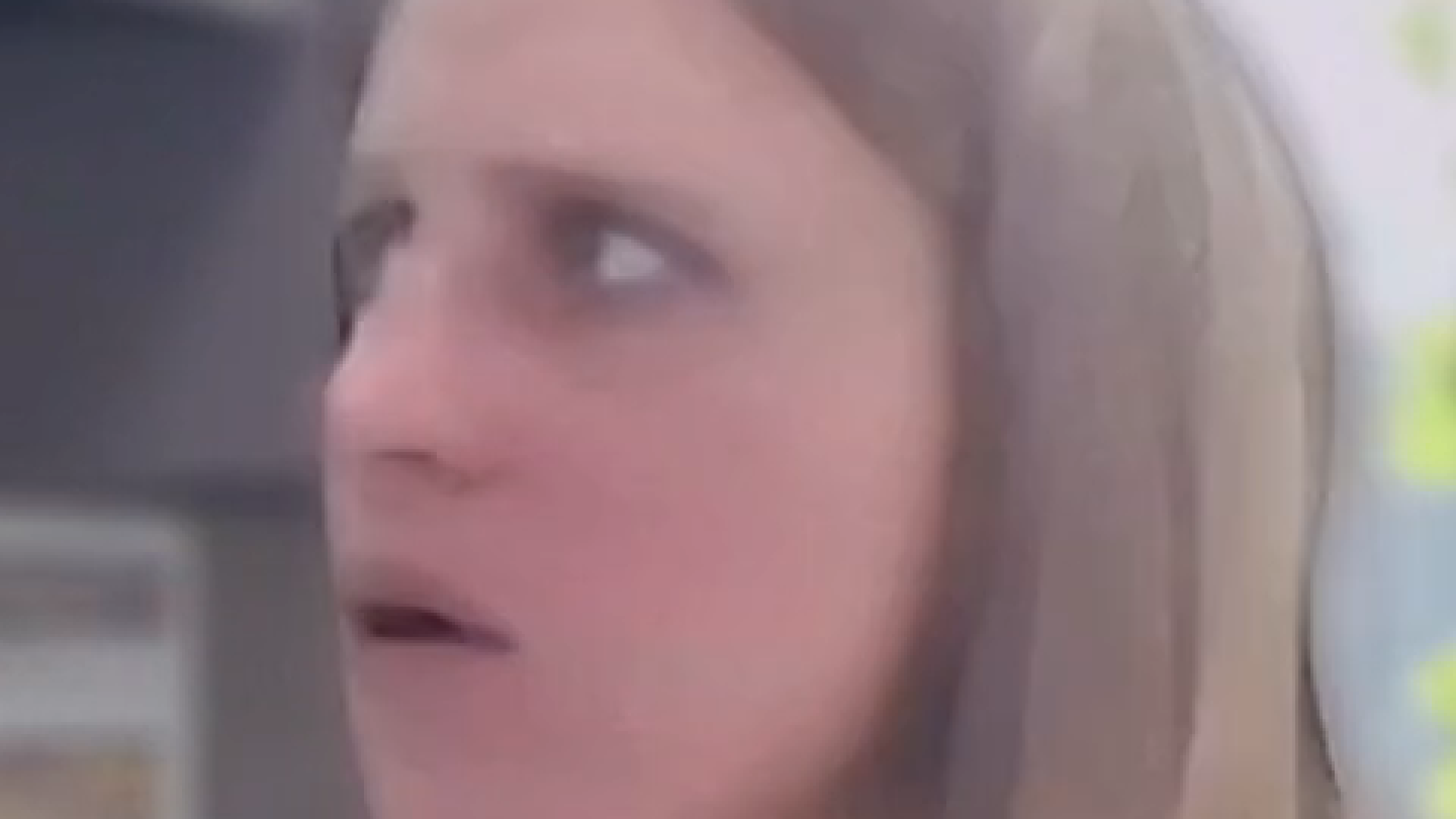
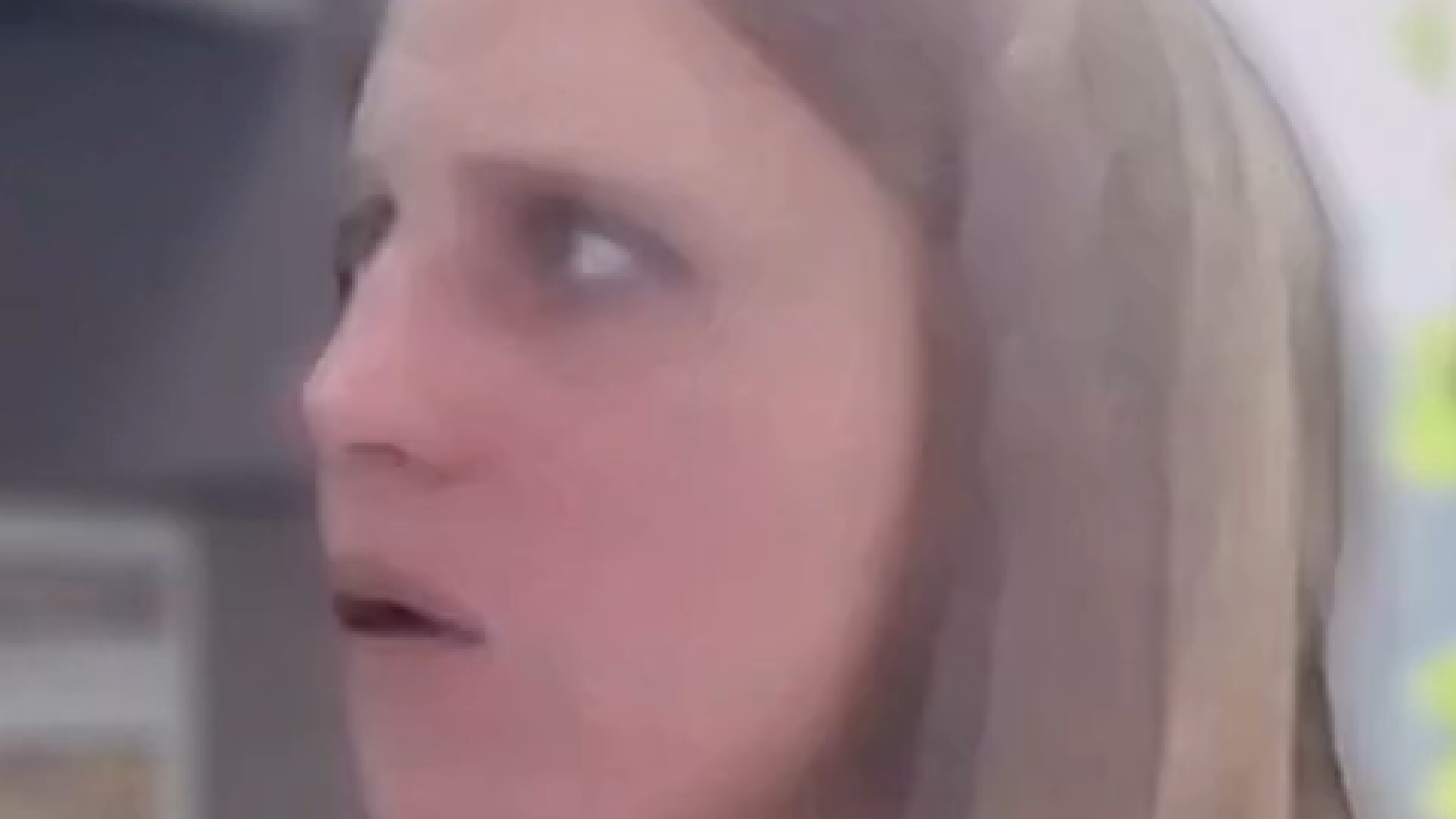
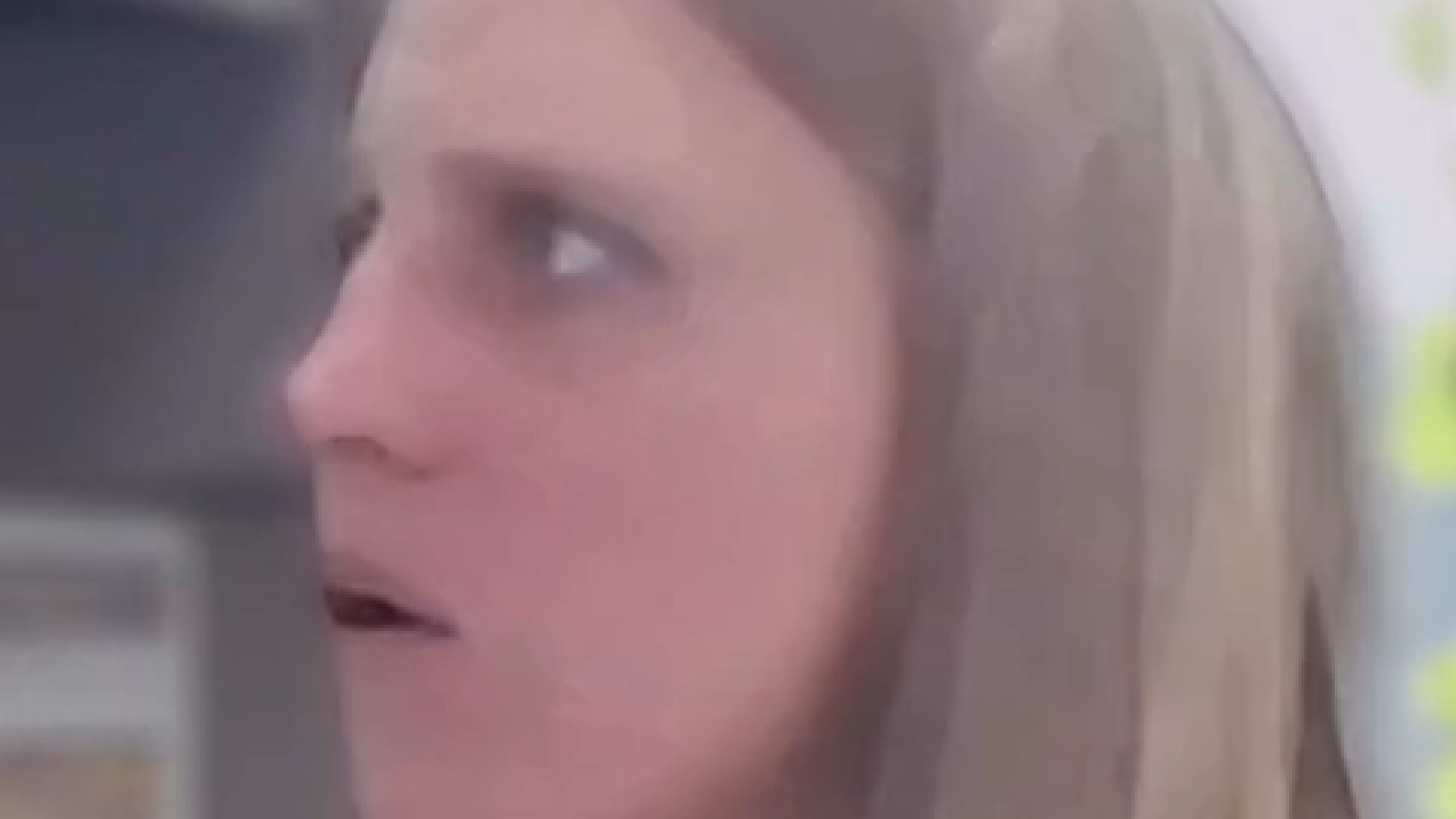
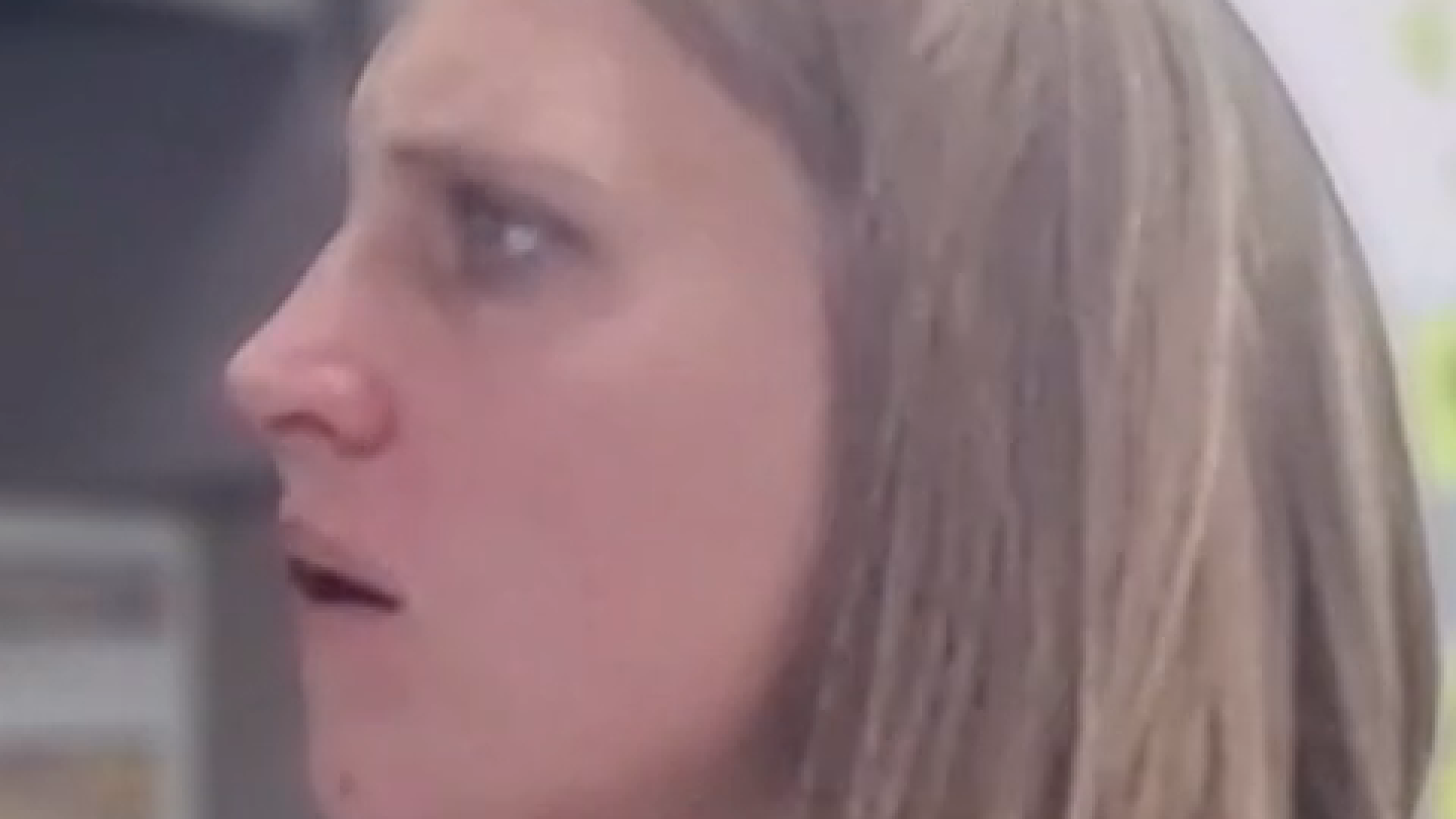
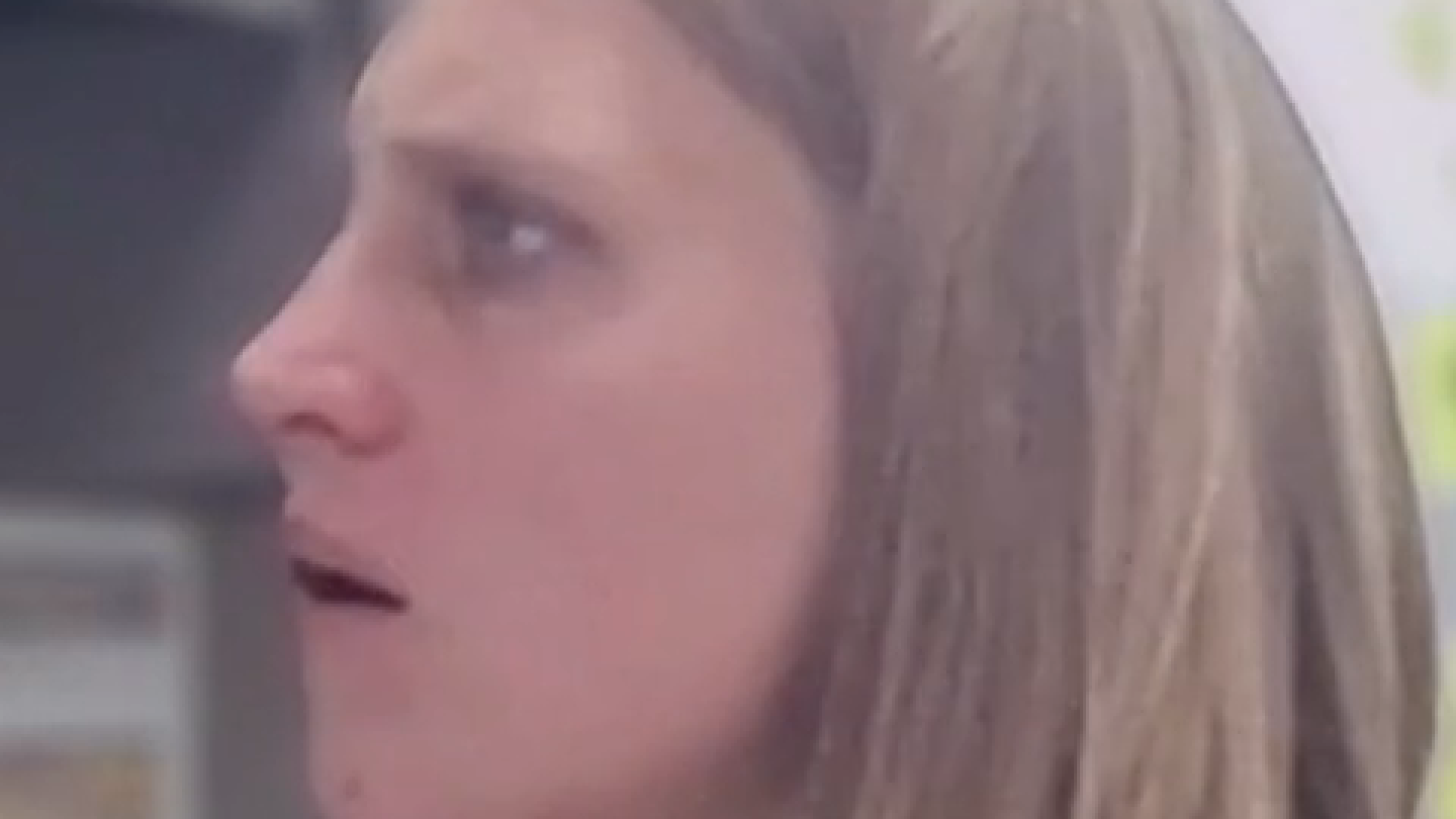
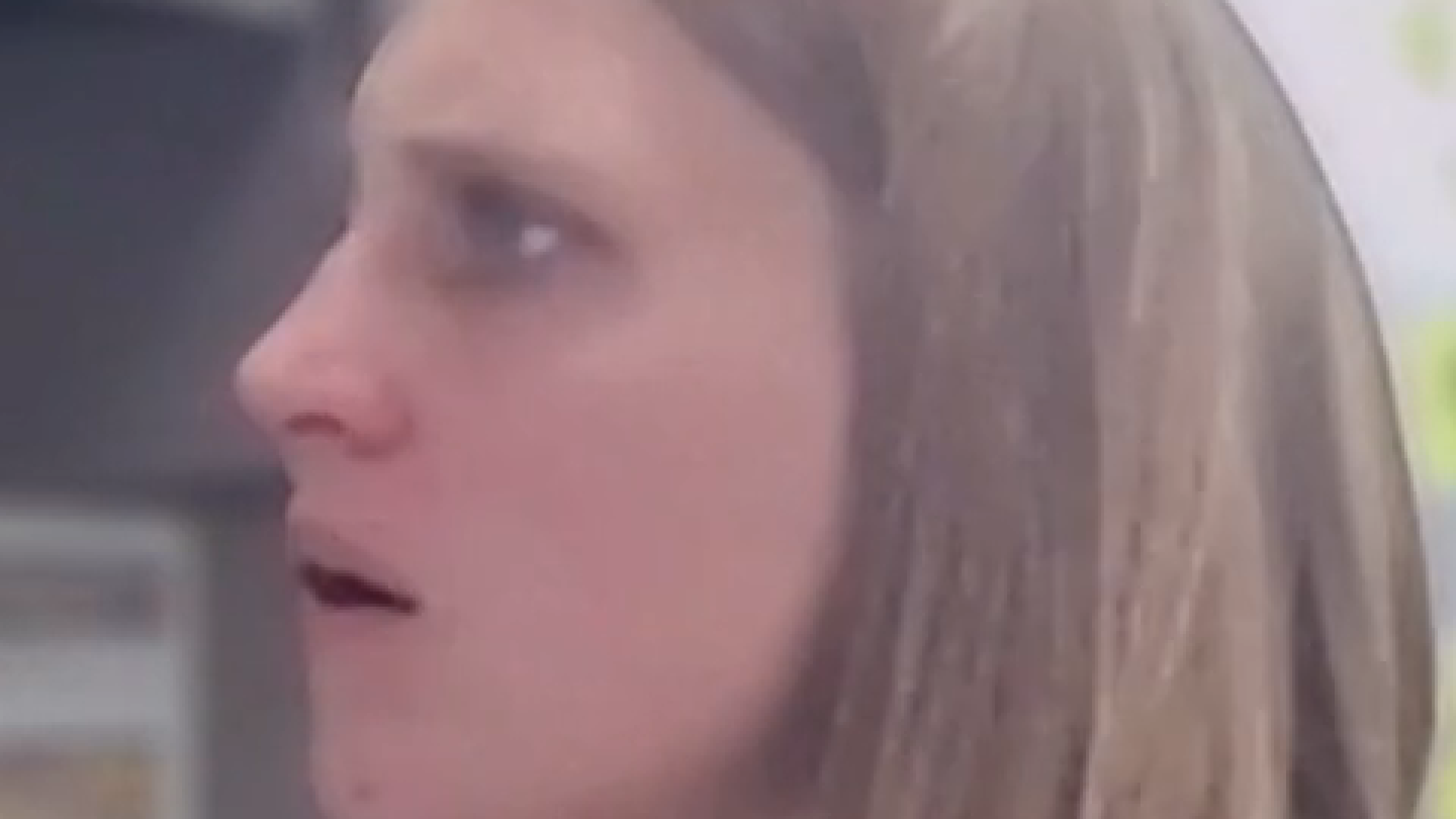
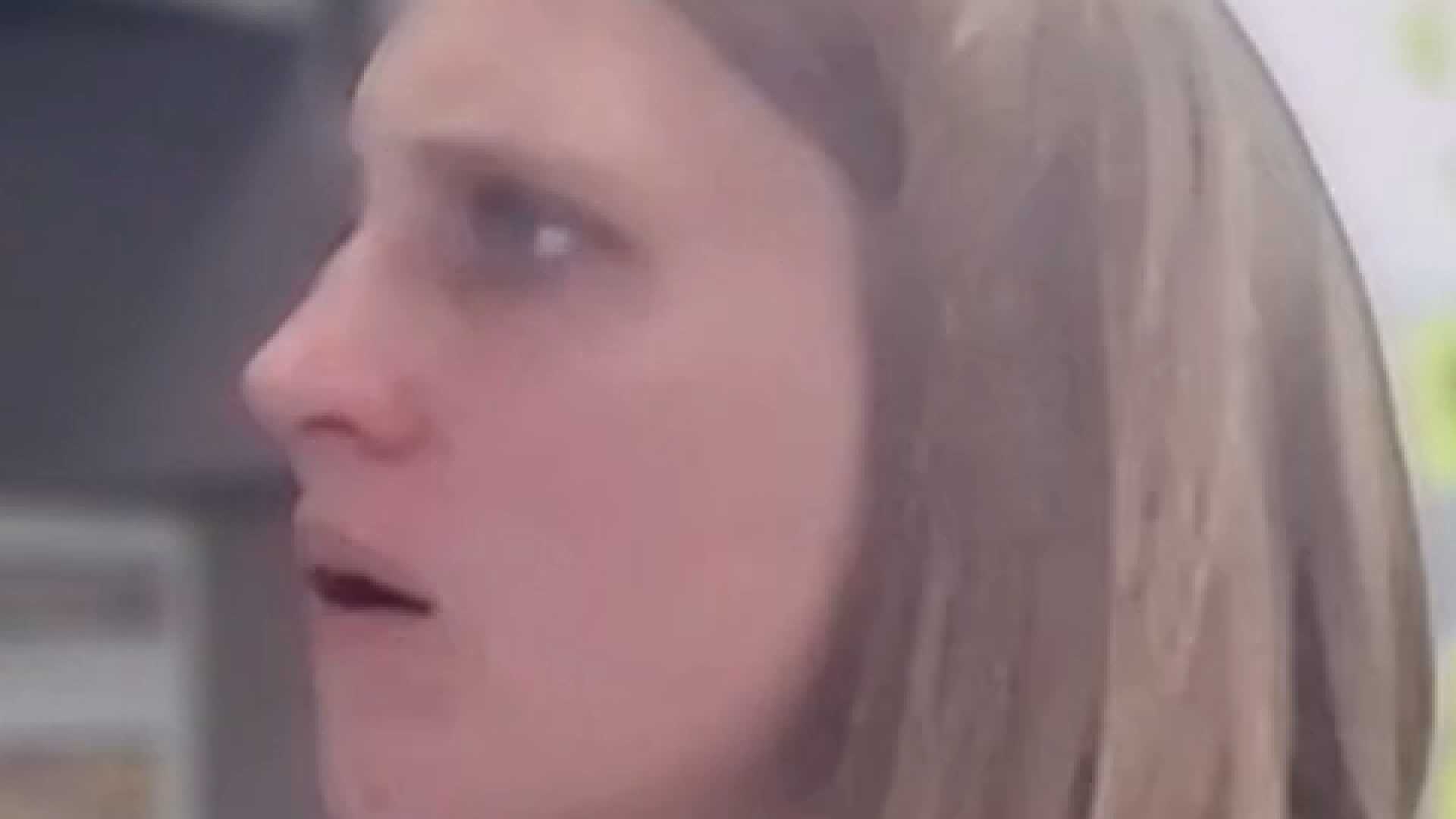
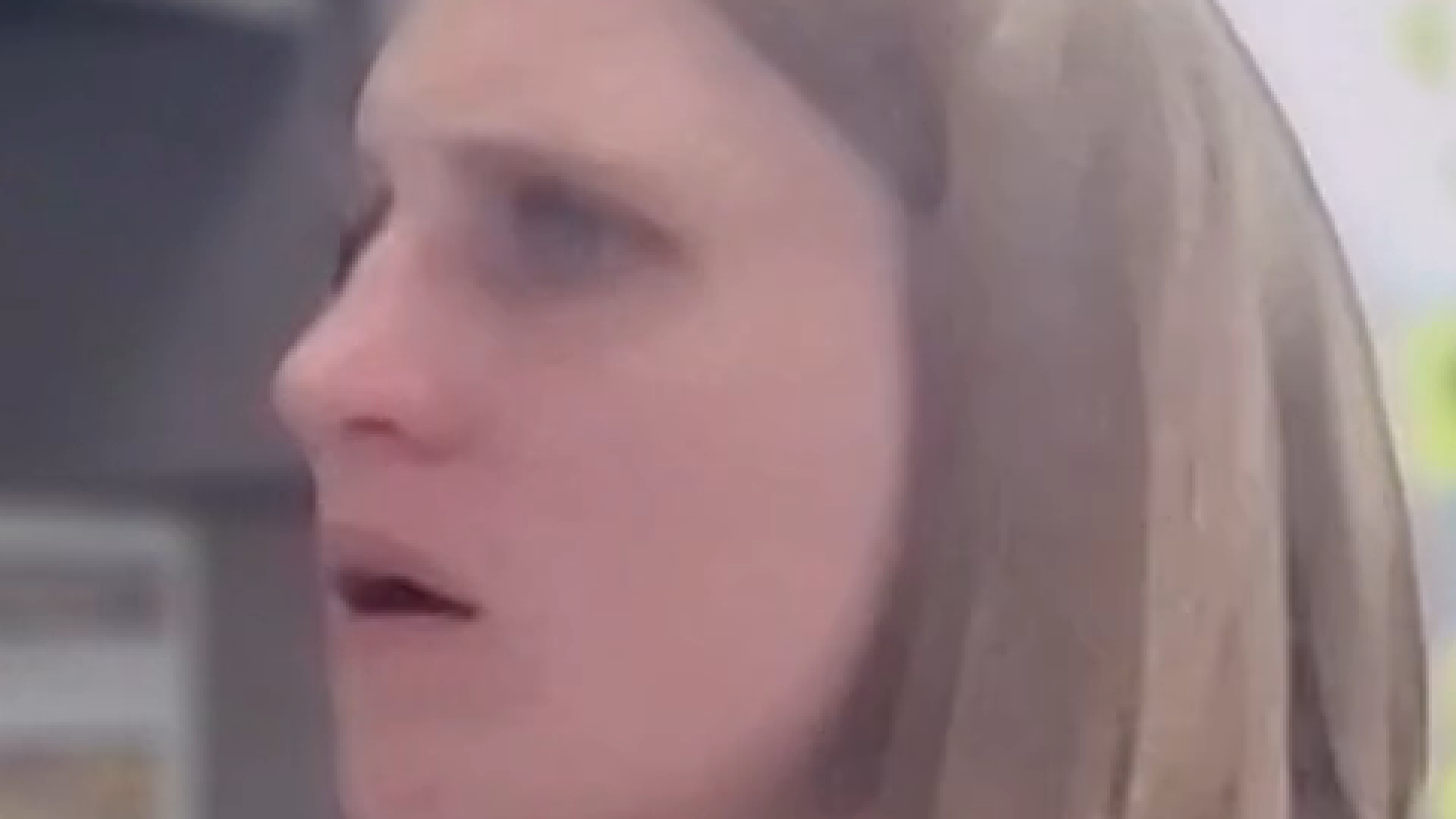
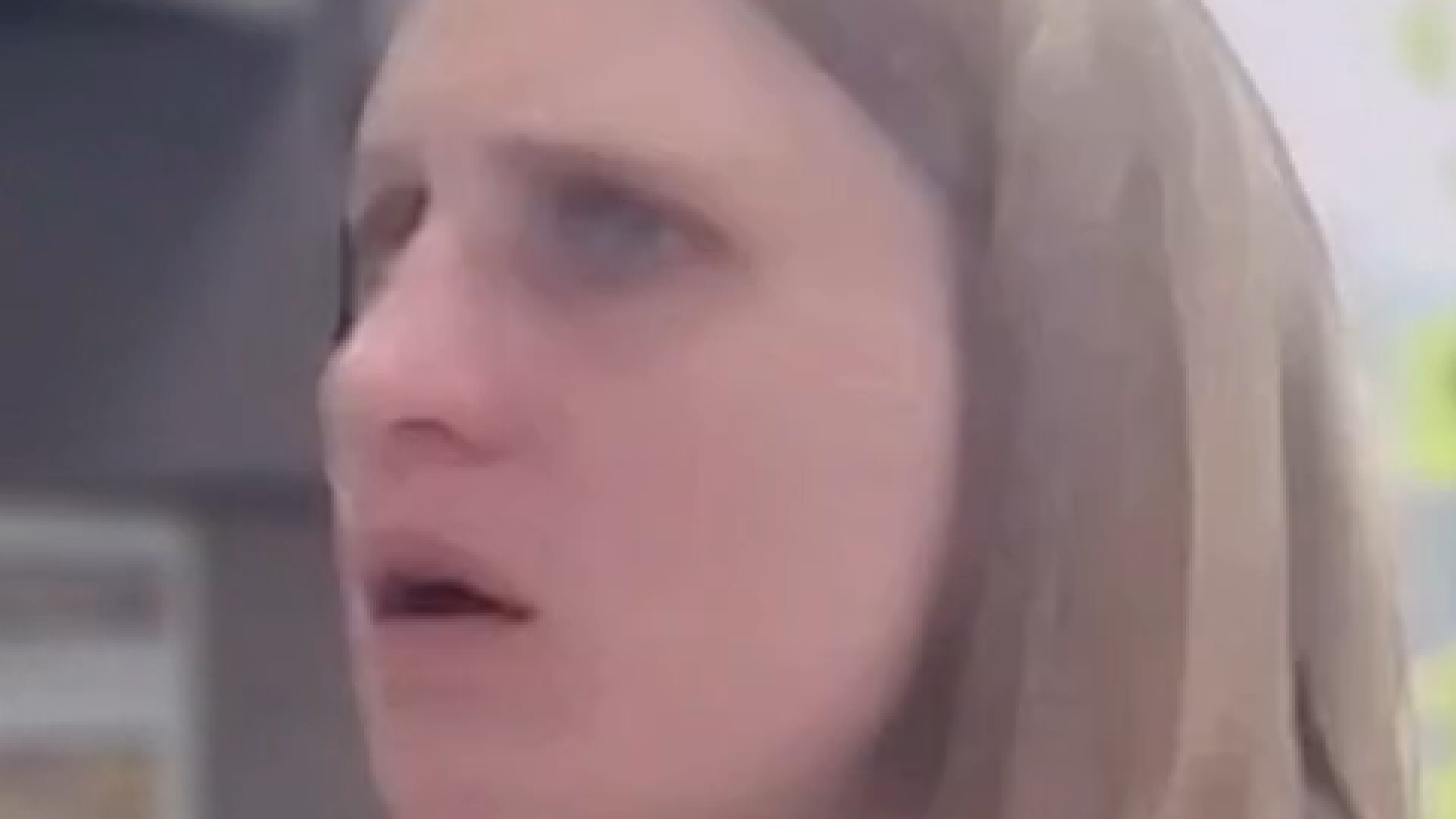
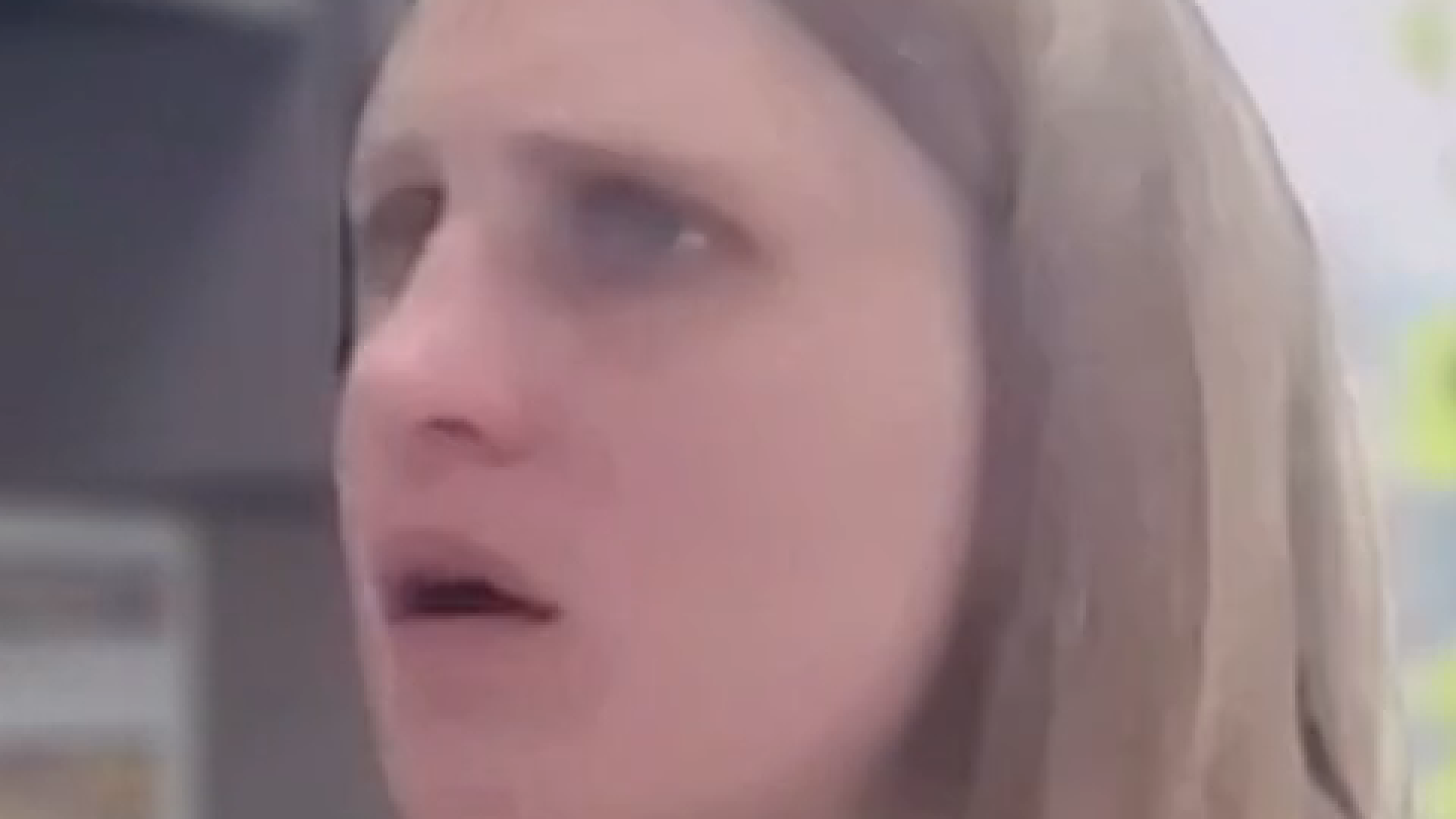
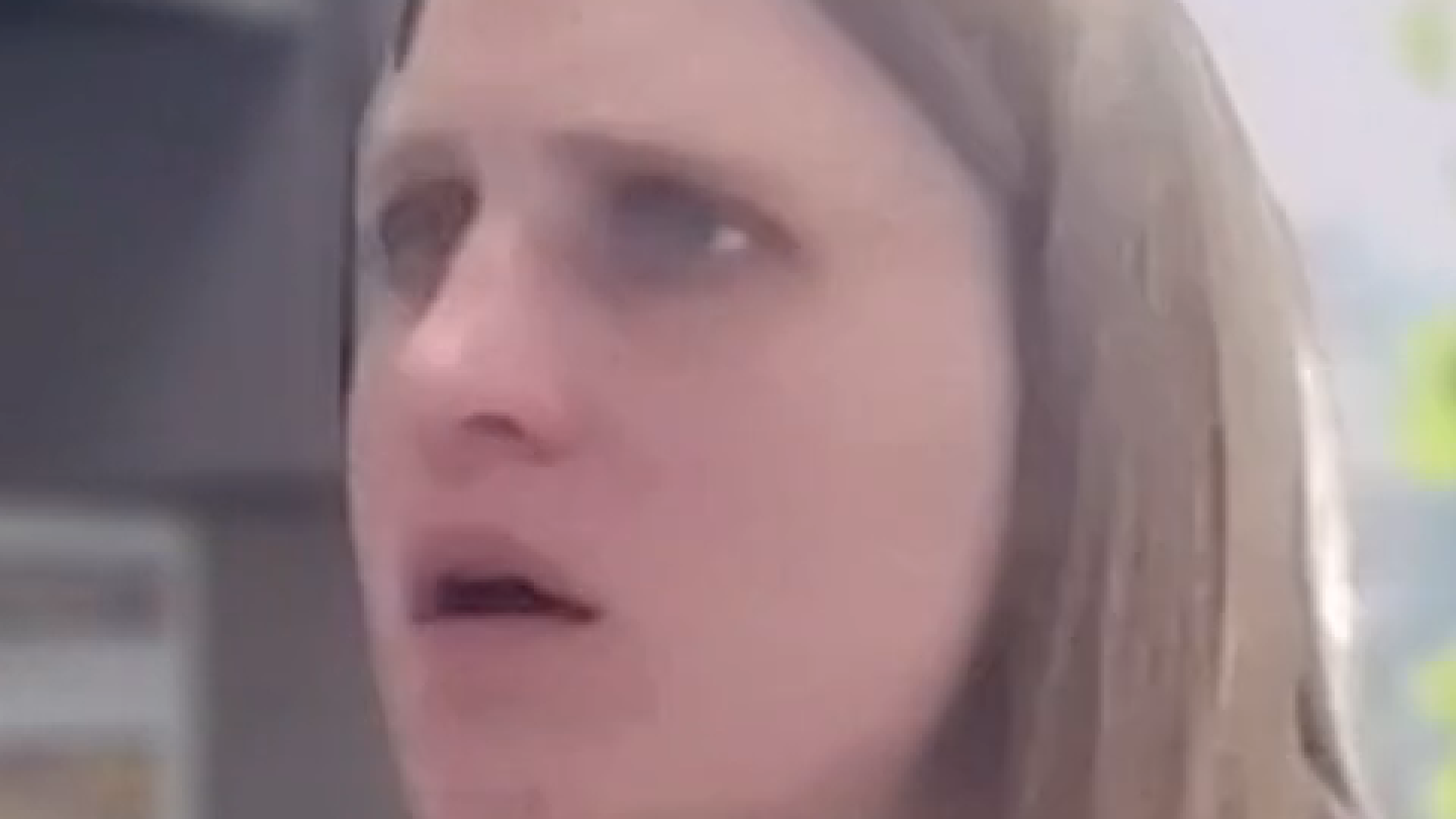
Of everything on this site, this is the one page I cannot hand you as proven. The forensic metrics below are real and reproducible — but I cannot rule out an innocent explanation: an overexposed, soft, face-tracked webcam feed produces many of the same signatures. So treat what follows as an open question, not an established finding. I can't decisively tip it either way, and I won't pretend otherwise.
It stays up, labeled honestly, for one reason: everything else on this site is held to a hard standard — the patent is verifiable, the orders are byte-for-byte identical, the metadata is what it is. This page doesn't clear that bar, and I would rather say so to your face than let one uncertain claim sit dressed as a certain one. You decide what the video shows.
Forensic Finding · November 18, 2025
The Fake AI Court Hearing
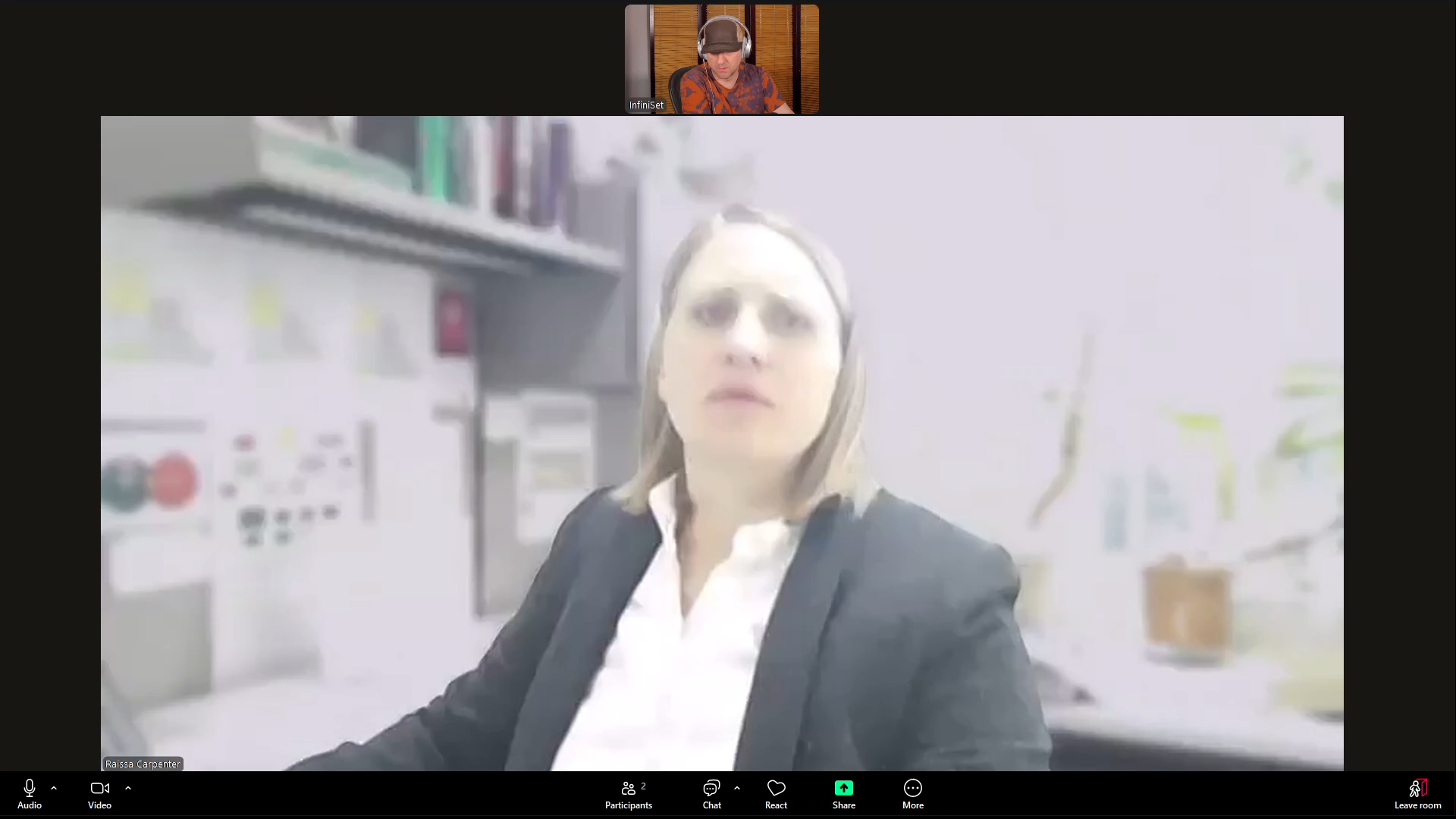
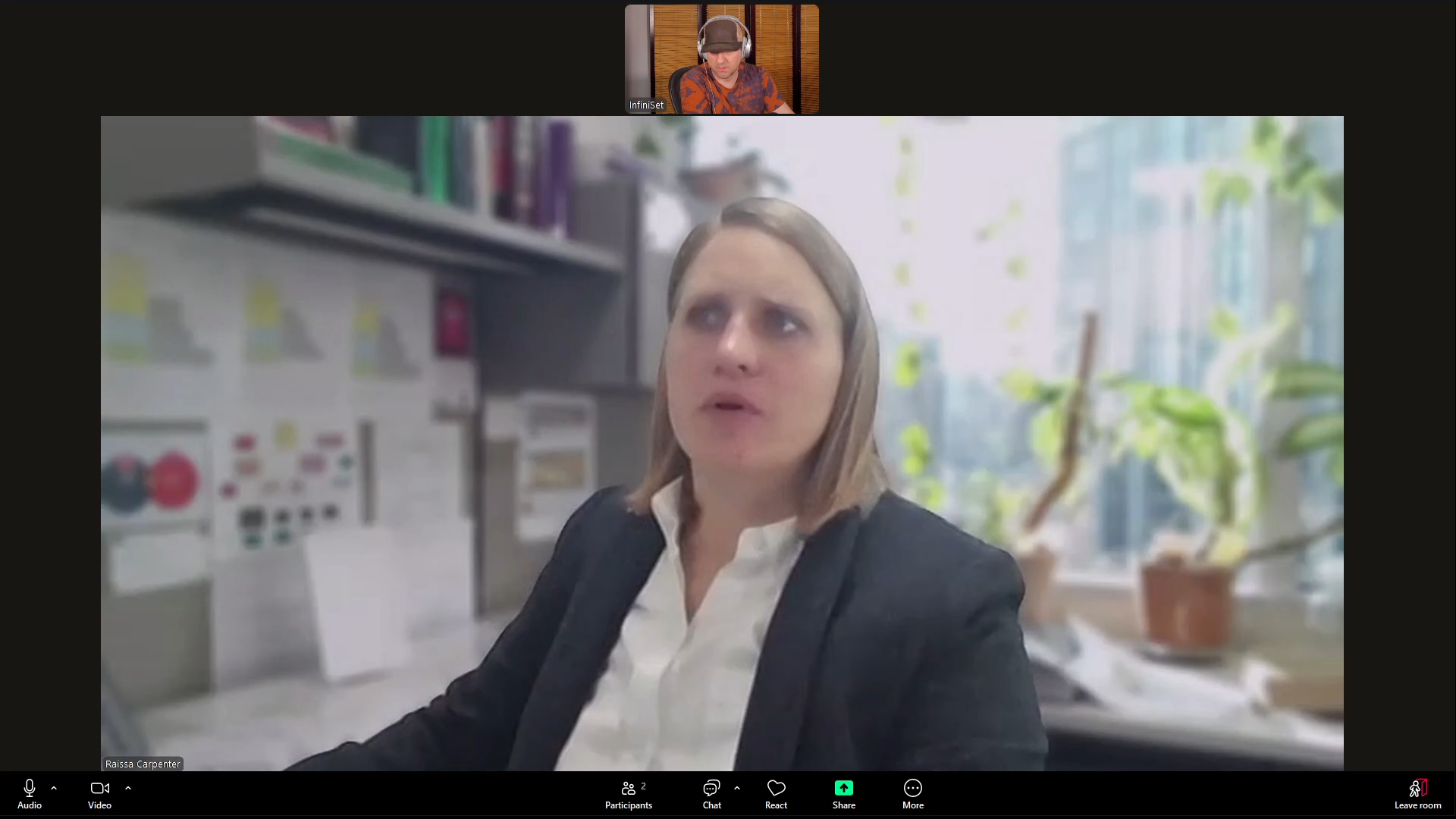
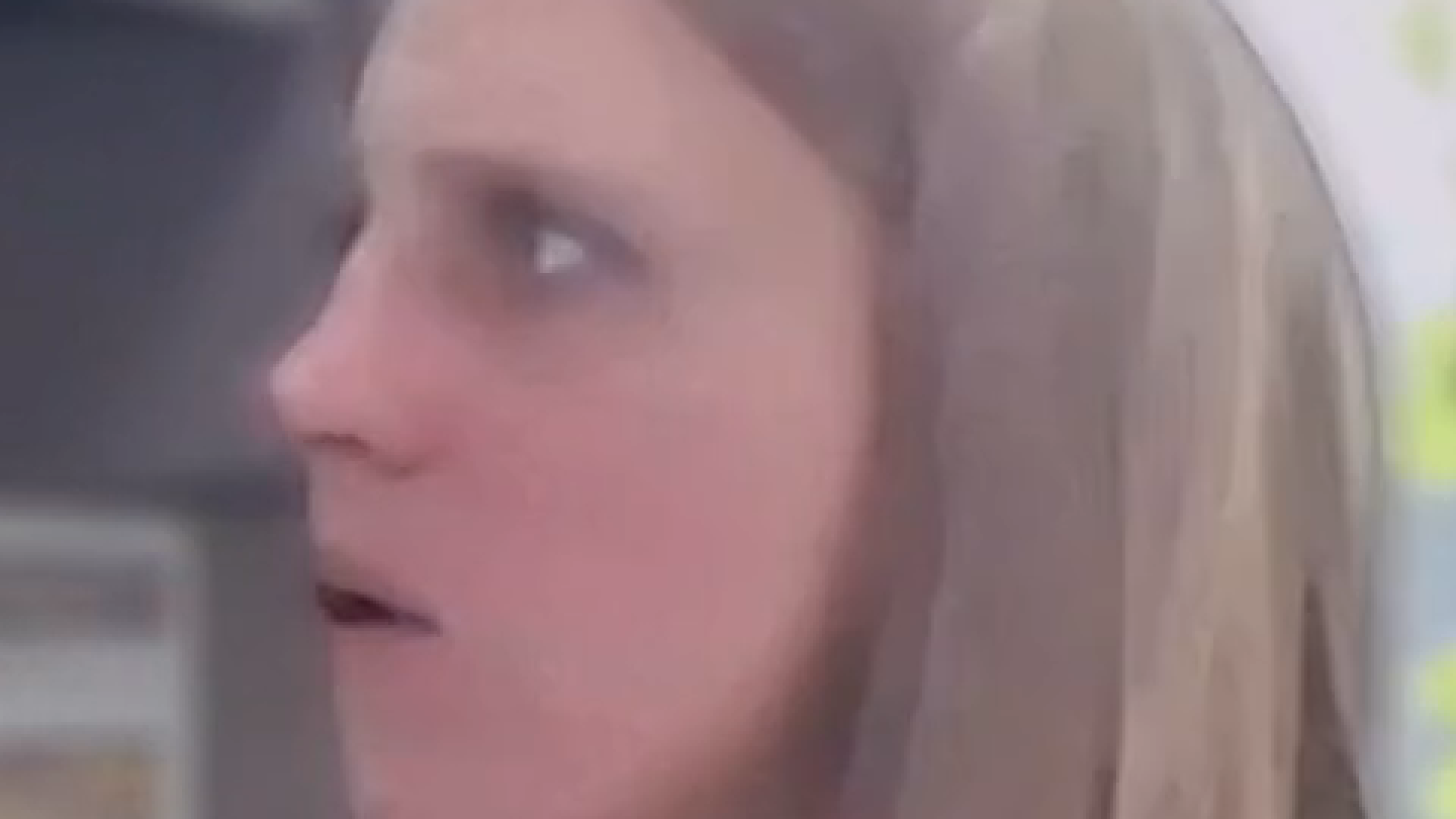
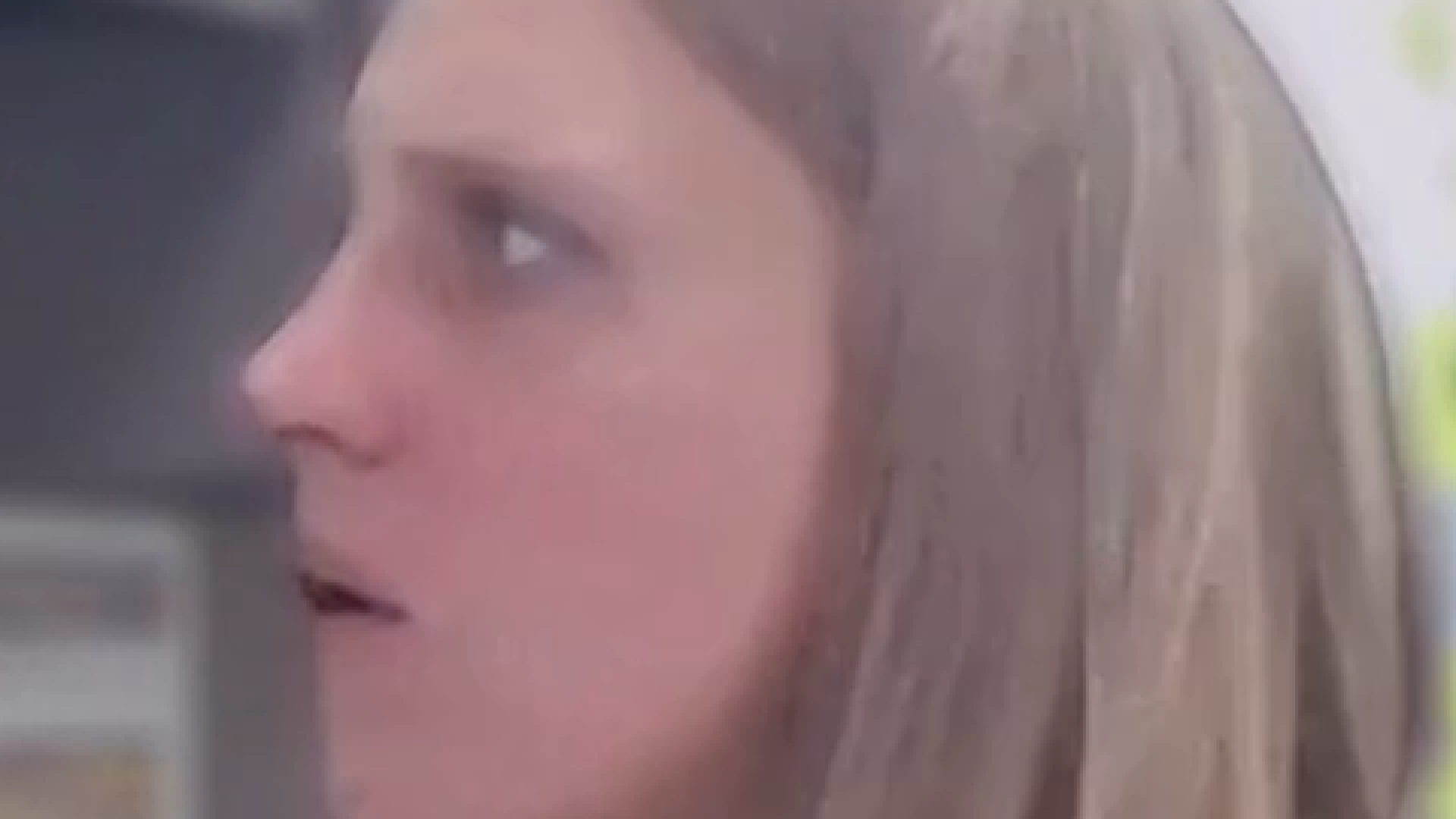
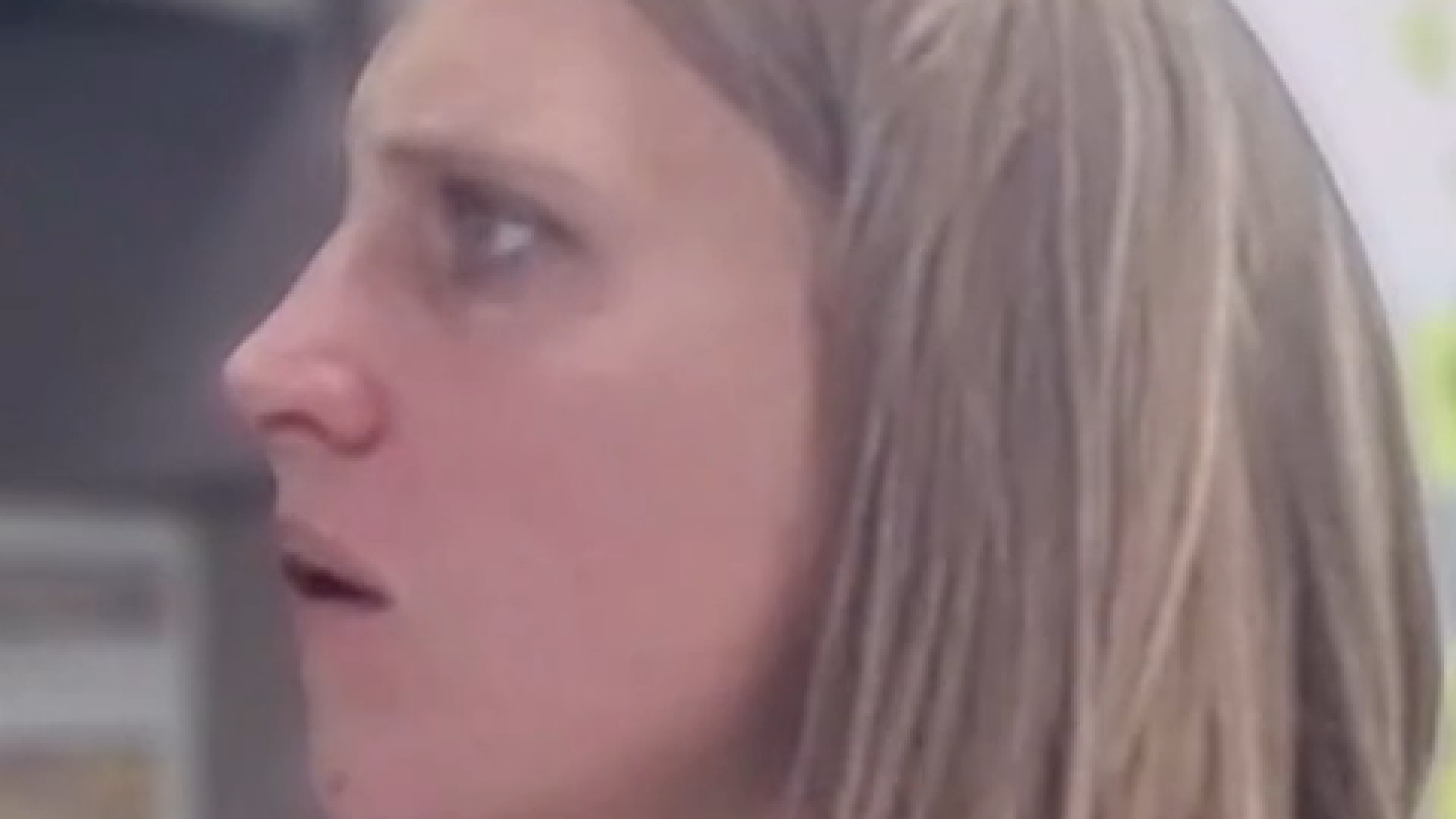
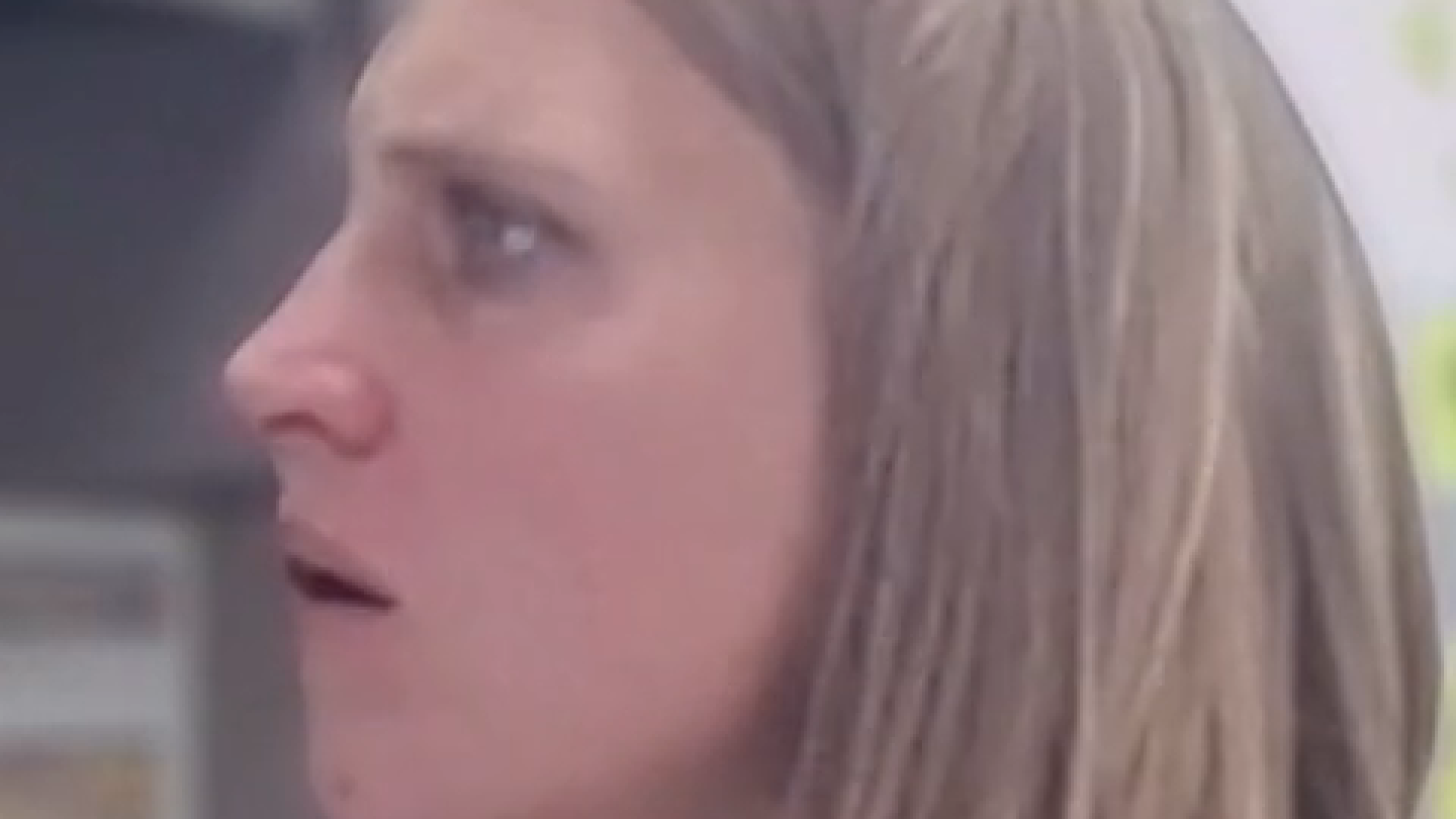
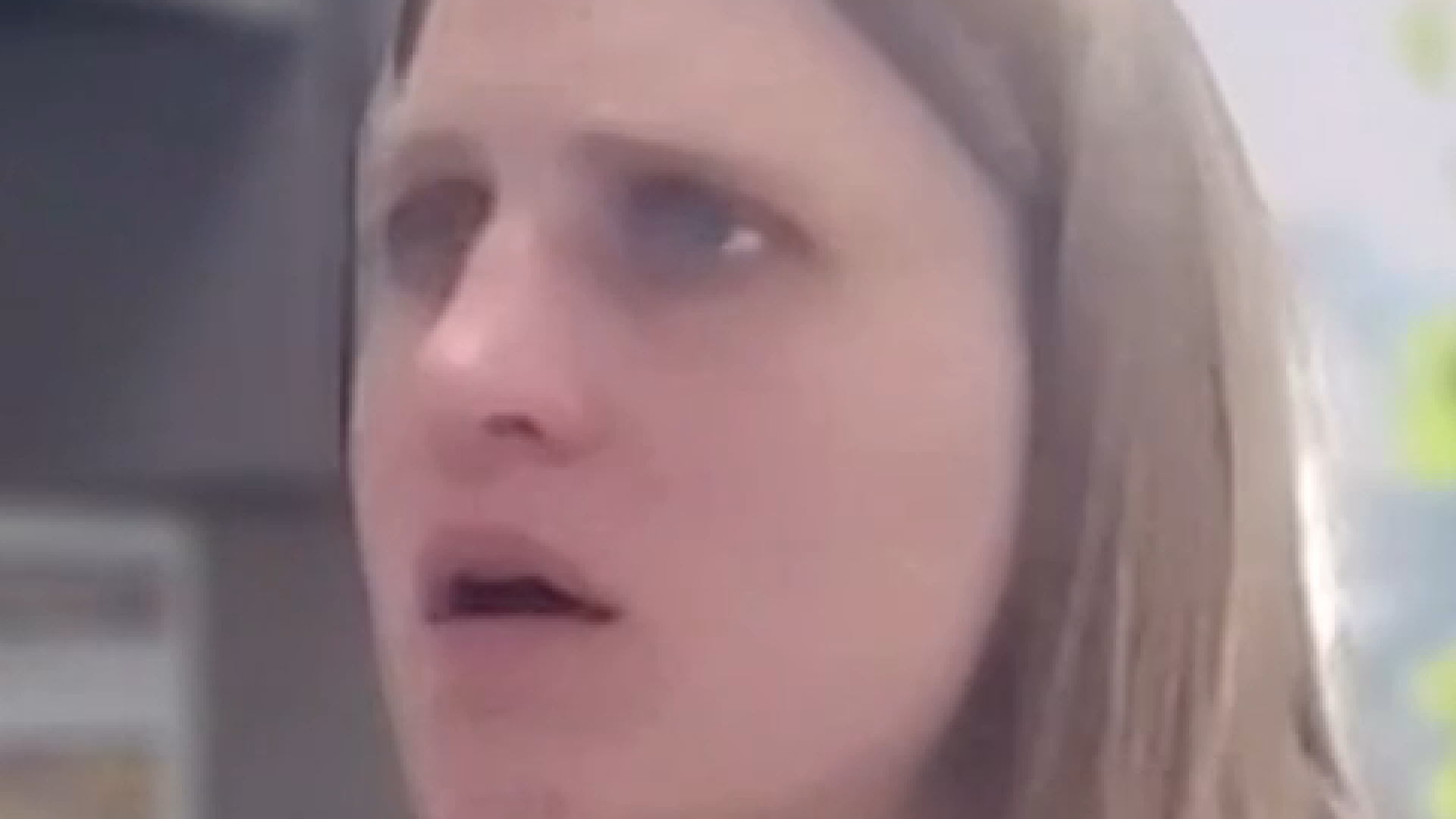
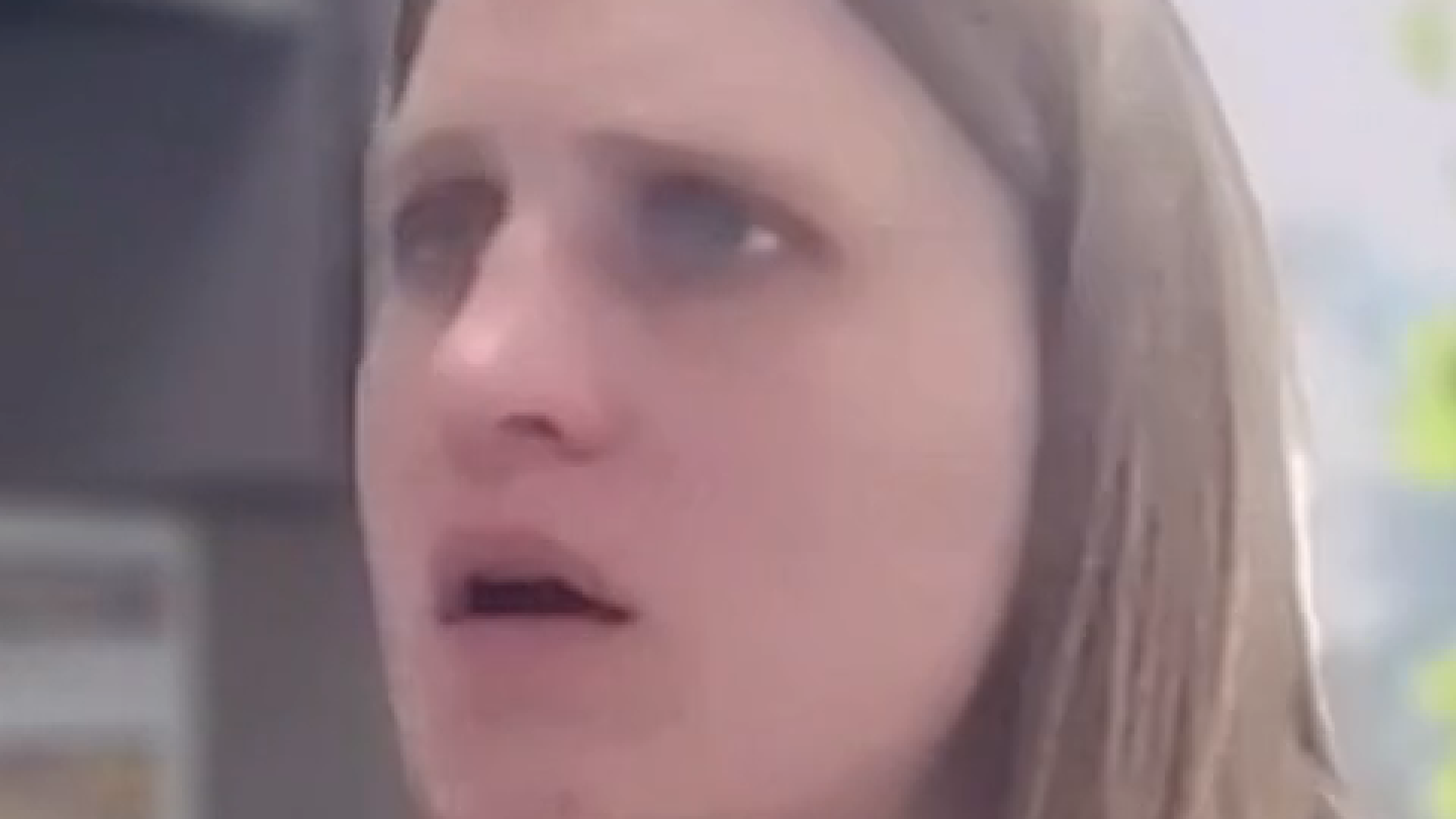
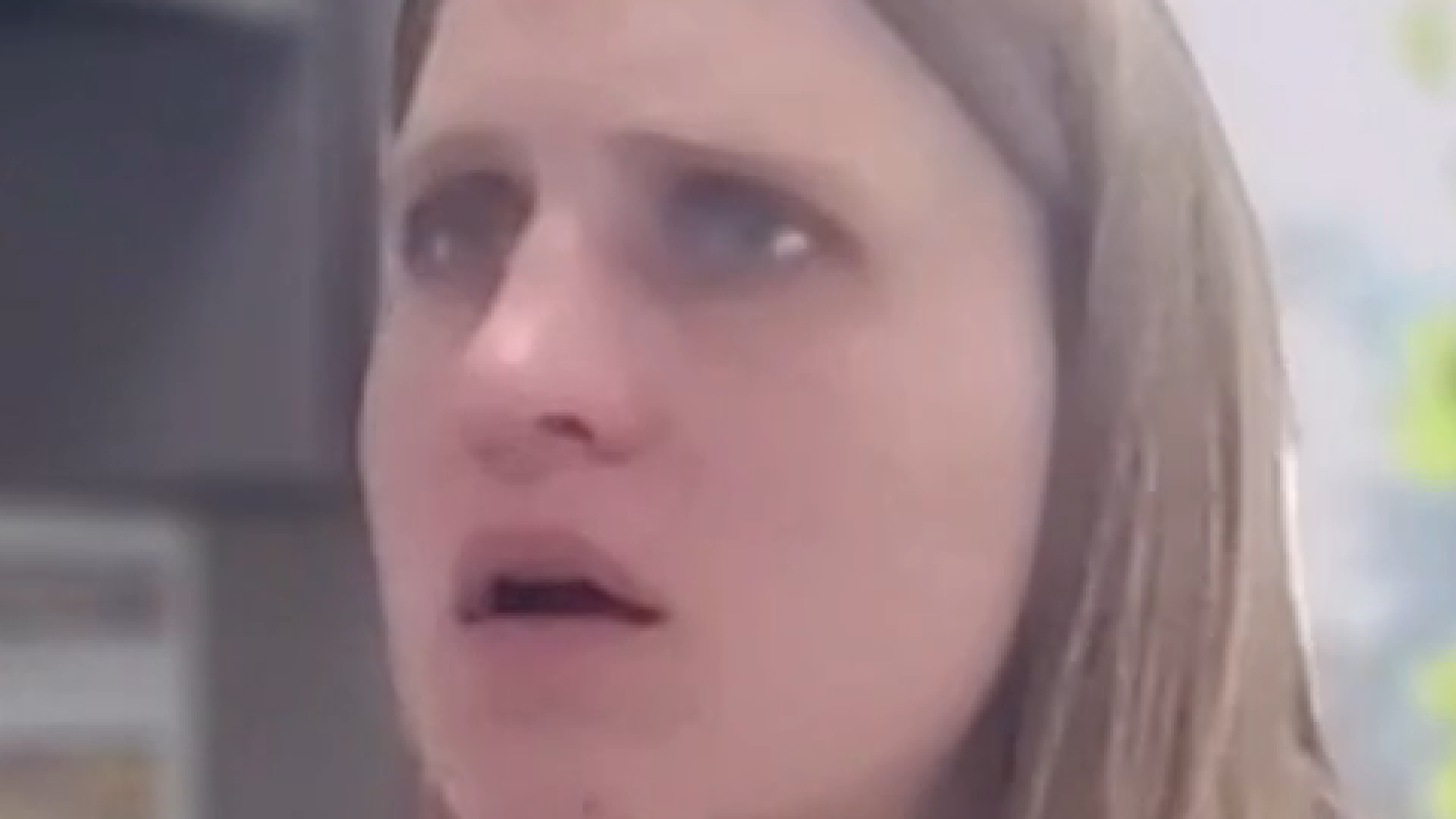
The video of Guertin's defense attorney at this Zoom hearing shows face-region anomalies across
201 frames. They are consistent with an AI face-swap — and also with an overexposed, soft,
face-tracked webcam feed. The innocent explanation has not been ruled out. Every frame and file is
published below; you decide.
201Frames Analyzed
6Forensic Methods
100%Frames Showing Anomaly
10–80×Vs. Clean-Video Baseline
WHAT THE METRICS SHOW: across every analyzed frame, the face region differs
sharply from the surrounding body and background in noise, compression, color coherence, blend
boundaries, and effective resolution. What they cannot establish is the cause —
those same signatures are produced both by an AI face-swap and by an overexposed, soft, face-tracked
webcam feed. That question is open.
Context
What Happened
On November 18, 2025, Matthew Guertin attended a court appearance for case 27-CR-23-1886 via Zoom.
The person who appeared on-screen as his court-appointed defense attorney "Raissa Carpenter"
was not the real Raissa Carpenter. Forensic analysis of the video recording proves the face displayed
on-screen was generated by an AI-based face synthesis system and composited onto the body of a
different individual in real time.
The file prefix 'rAIssa' — with 'AI' capitalized — is the naming convention
used throughout this analysis. The source material consists of 201 PNG frames (0069–0269) extracted
at full quality (1920×1080, lossless) from the Zoom screen recording. The quantitative forensic
analysis — all six methods, per-frame metrics, and statistical measures — is computed
directly from the PNG frames and is independently reproducible from the source material. The findings
are then assembled into a formal 20-page report by Claude.ai, using a structured AI
persona prompt styled as "Dr. Vera Holloway, D.Phil., forensic facial identification specialist
with 25 years of experience."Dr. Holloway is not a real person — the
persona is an AI-generated expert framing used to package the computed forensic output in the
standardized format and professional voice of an expert-witness disclosure.
Video Evidence
The Entry Glitch
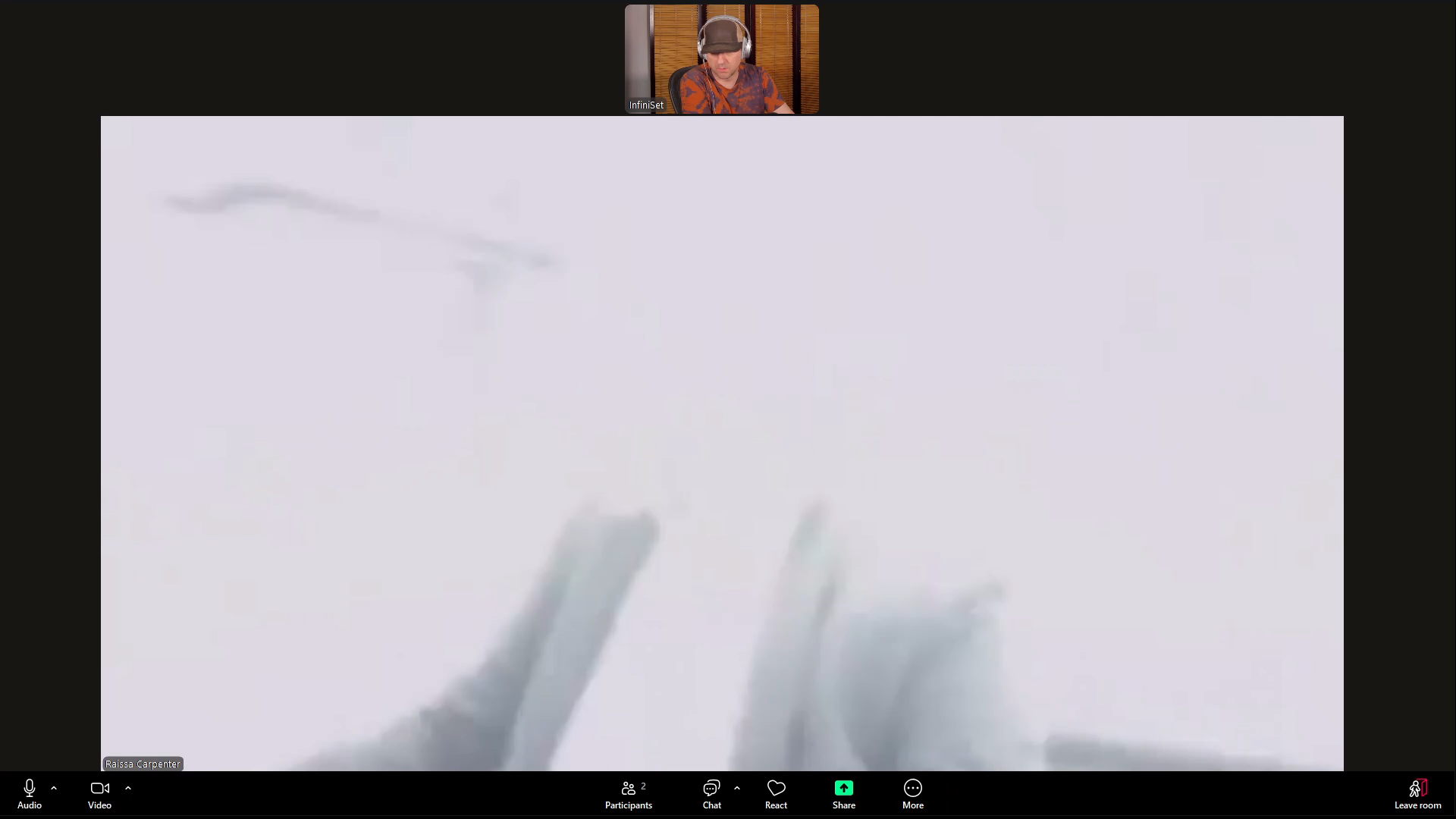
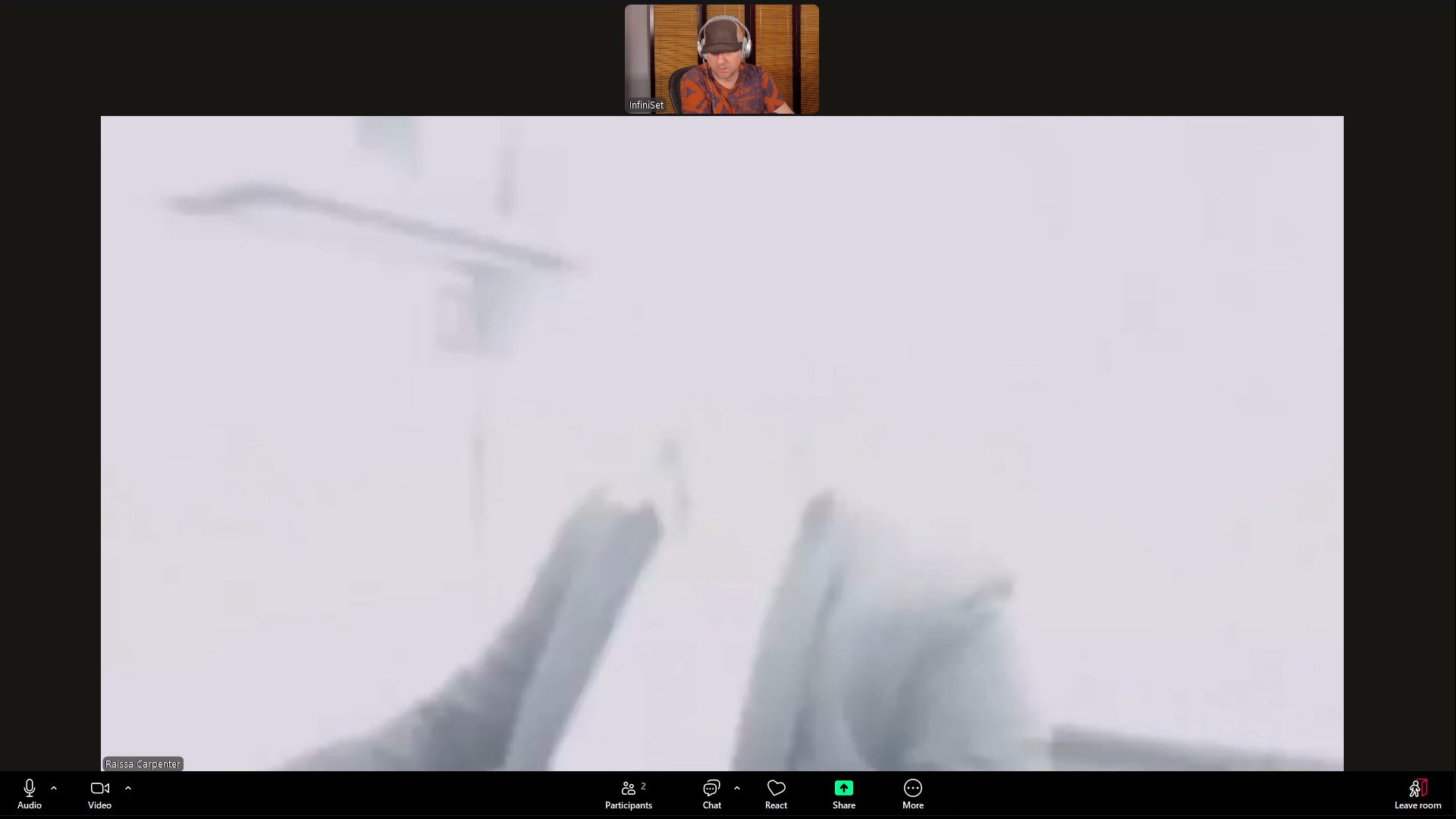
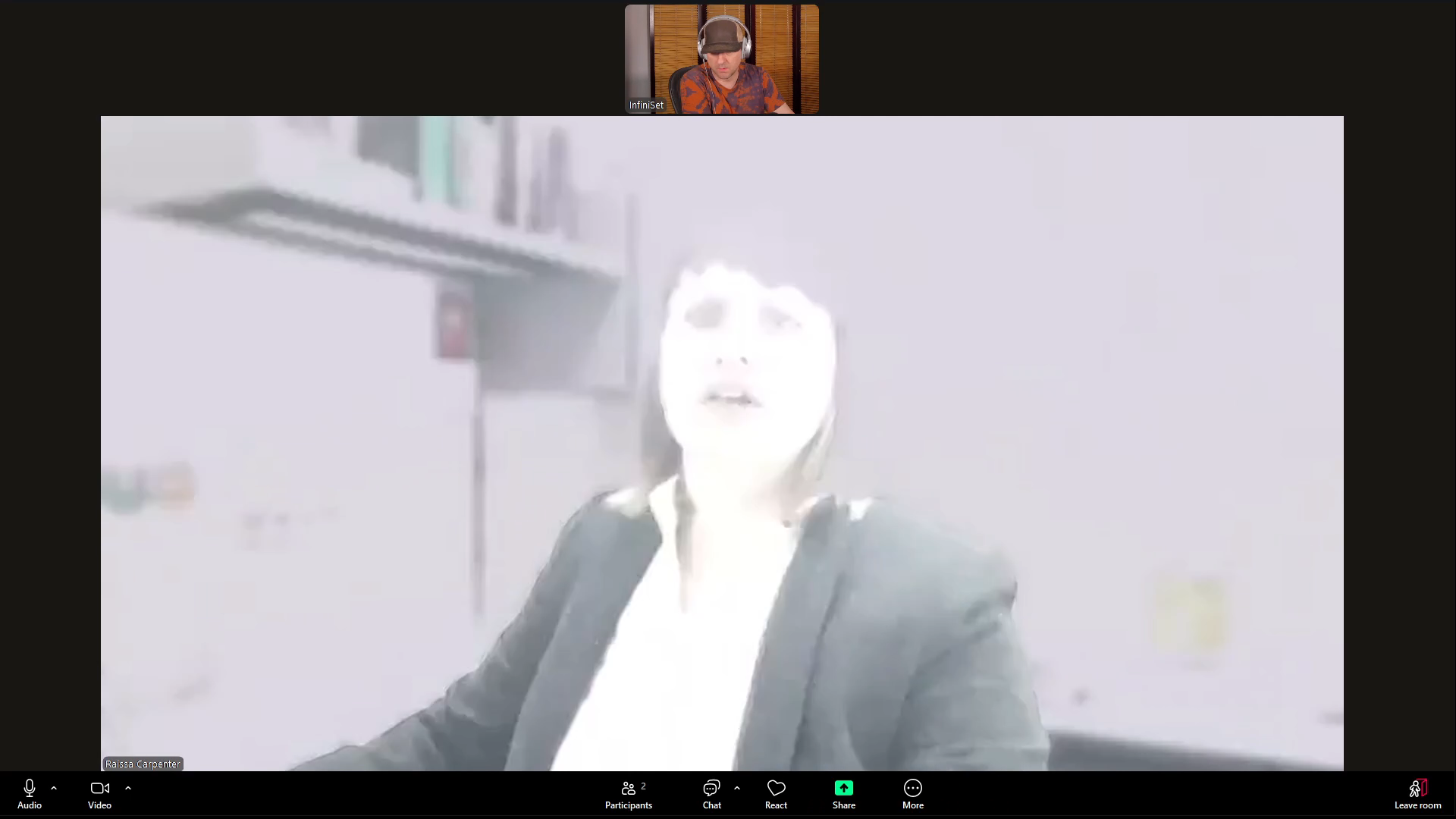
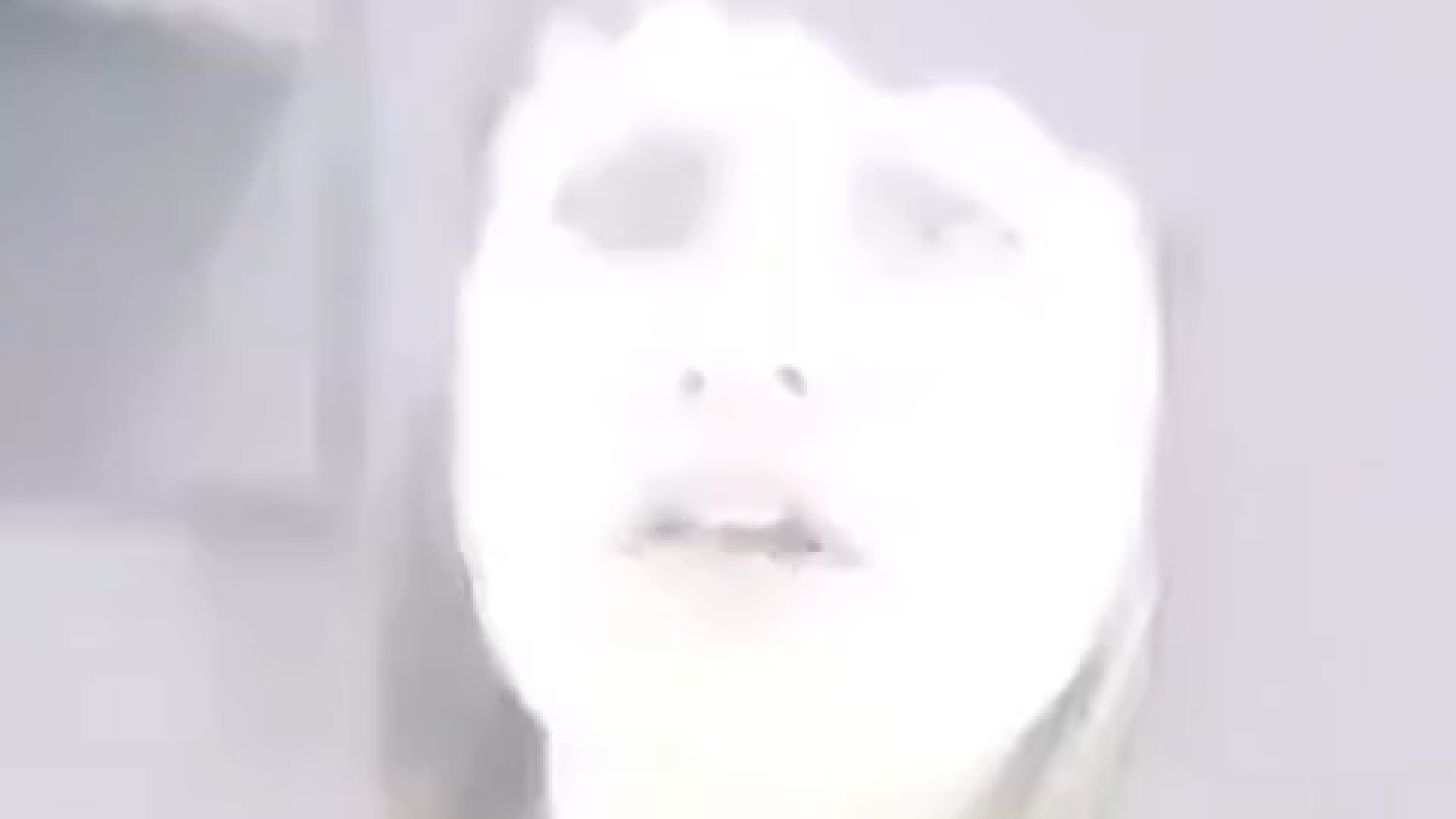
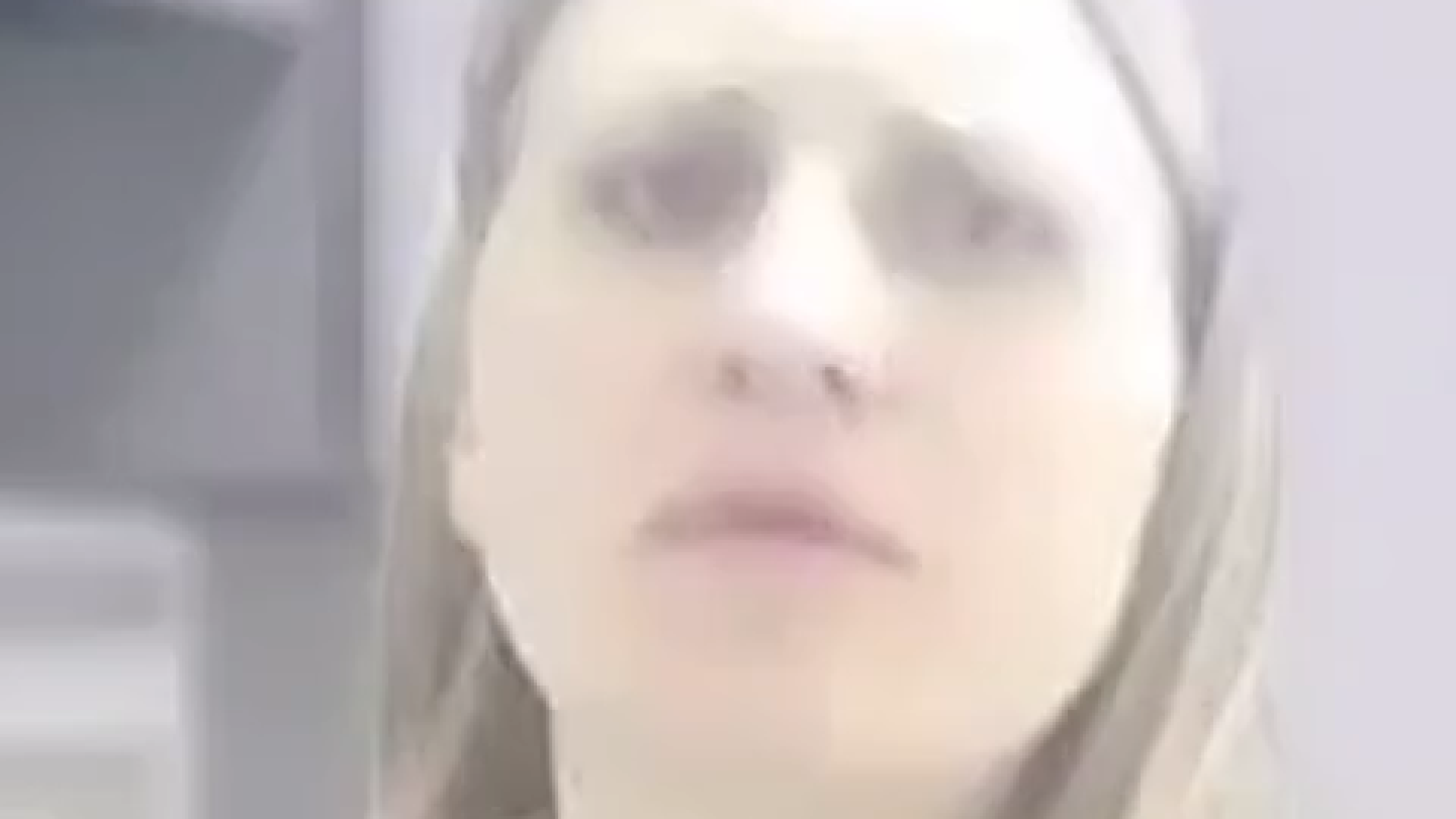
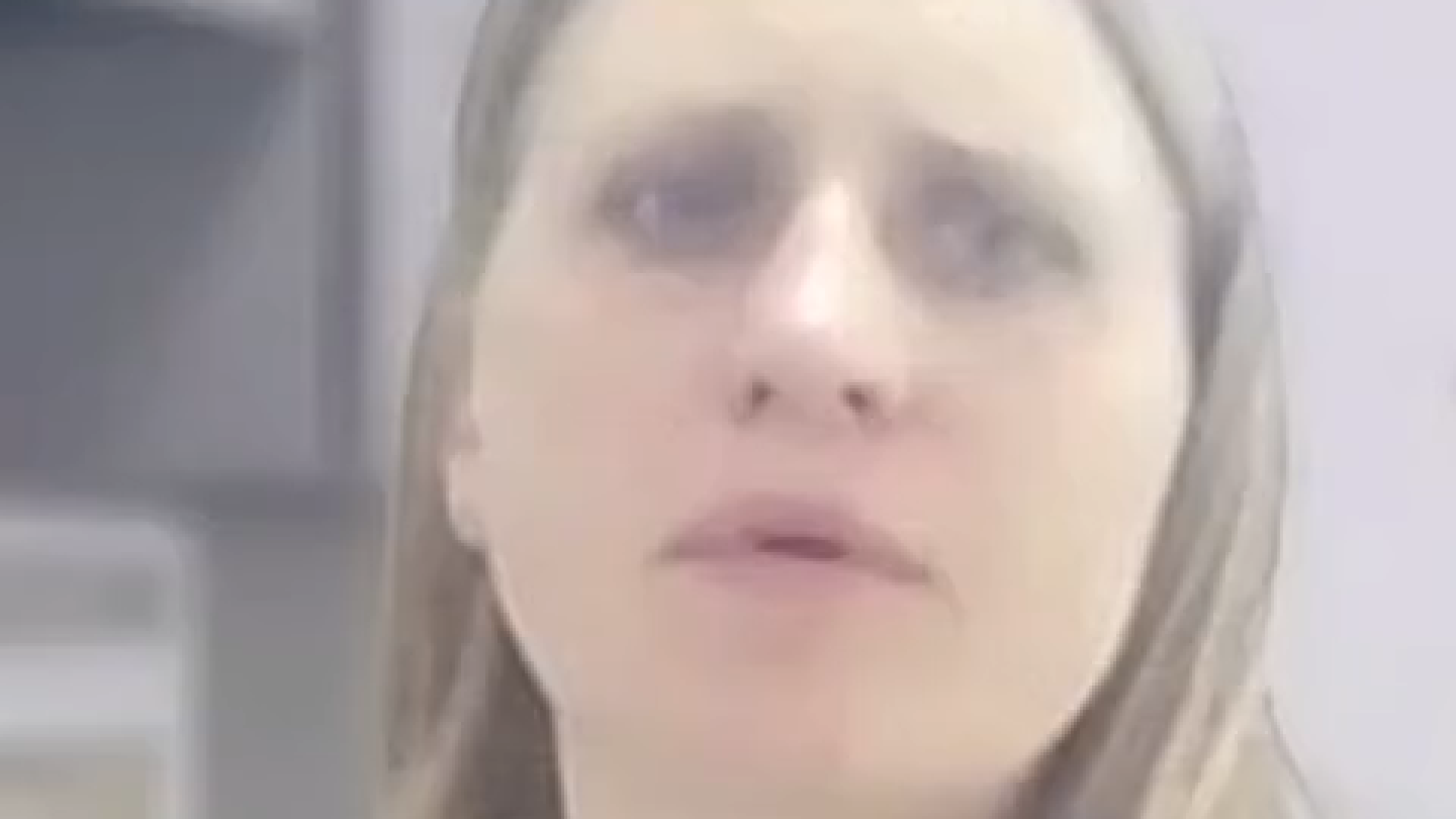
As the imposter enters the Zoom call, the face-swap system visibly glitches —
the AI face fails to track for several frames, exposing the underlying face before the synthetic
overlay locks back on. This video scrubs through the moment frame by frame.
Entry Sequence — Frame-by-Frame Scrub
Slow scrub through the entry moment. Watch the face region — the AI overlay
fails to track during the initial frames, exposing the real person underneath.
Entry Sequence — Full Frame Context
Click any frame to enlarge. The glitch sequence shows the face-swap system struggling to initialize.
Entry Sequence — Face Region Zoom
Zoomed in on the face region. The extreme color curves reveal the face-swap boundary — the face literally appears as a flat white mask with floating features.
Video Evidence
The Head Turn
During the hearing, the imposter turns their head. The face-swap system struggles to maintain
the overlay during rapid head movement, producing visible artifacts and geometry failures
as the synthesized face tries to track a real head in three-dimensional space.
Head Turn — Step-Through
Frame-by-frame step through the head turn. Watch the face edges, jaw line, and hair boundary
for tracking artifacts.
Head Turn — 20-Frame Sequence
Click any frame to enlarge. 20 sequential frames showing face-swap tracking artifacts during head rotation.
Forensic Analysis
Six Methods, One Unresolved Anomaly
Six forensic techniques — each targeting a different class of artifact — were applied to
every frame of the full-quality 1920×1080 PNG sequence. All six flag the same face-region anomaly.
What they cannot do, on their own, is separate an AI face-swap from an overexposed, face-tracked
webcam — the two explanations produce overlapping signatures.
2.57×
Noise Variance Ratio
Expected: ~1.0×
87.5
Kurtosis Delta (face–bg)
Expected: ~0
3.23×
Blend Boundary Ratio
Expected: ~1.0×
100%
Frames Exceeding Threshold
Expected: ~0%
Analysis Method
Signal
Key Metric
Expected
Observed
Noise Variance Ratio
VERY STRONG
Face/BG ratio
~1.0
2.57
Noise Kurtosis
EXTREME
Delta (face–bg)
~0
87.5
Error Level Analysis
STRONG
ELA ratio
~1.0
1.79
Blend Boundary
VERY STRONG
Boundary/Interior
~1.0
3.23
Color Coherence
STRONG
Chi² divergence
~0
0.84
FFT Spectrum
MODERATE
Spectral div.
~0
0.0076
Sharpness
STRONG
Face resolution
Matched
Lower
A note on the “Dr. Vera Holloway” report (produced by Claude.ai using a
persona prompt — not a real person): given only the computed metrics, the AI report
concluded an AI face-swap. That conclusion carries a decisive limitation — the metrics were
never compared against a control: a known-authentic, equally overexposed webcam feed run through the
same methods. Until that control is run, an AI-generated report concluding “face-swap”
is not independent corroboration — it is the same metrics restated in an
expert voice, inheriting the same unresolved ambiguity.
Appendix · Initial Screening
Extreme Color Curves Methodology
Prior to the comprehensive forensic analysis detailed in this report, an initial screening was
performed using extreme color curve manipulation — a technique that dramatically
amplifies subtle tonal differences by crushing the color range into highly saturated, discrete bands.
The technique applies aggressive posterization and channel separation to each source frame, amplifying
three categories of artifact that are invisible under normal viewing conditions:
Blend boundary exposure — the tonal mismatch between the synthesized face and the original head, neck, and hair is dramatically amplified, revealing distinct color zone boundaries that trace the face-swap mask perimeter.
Channel separation anomalies — the R, G, and B channels are forced to reveal whether they maintain correlated behavior (consistent single-source capture) or show independent character (compositing).
Quantization pattern differences — different encoding and generation histories produce different posterization patterns, making compositing boundaries visible.
This screening surfaced the face-swap artifact pattern that the full multi-method forensic analysis then quantified and confirmed.
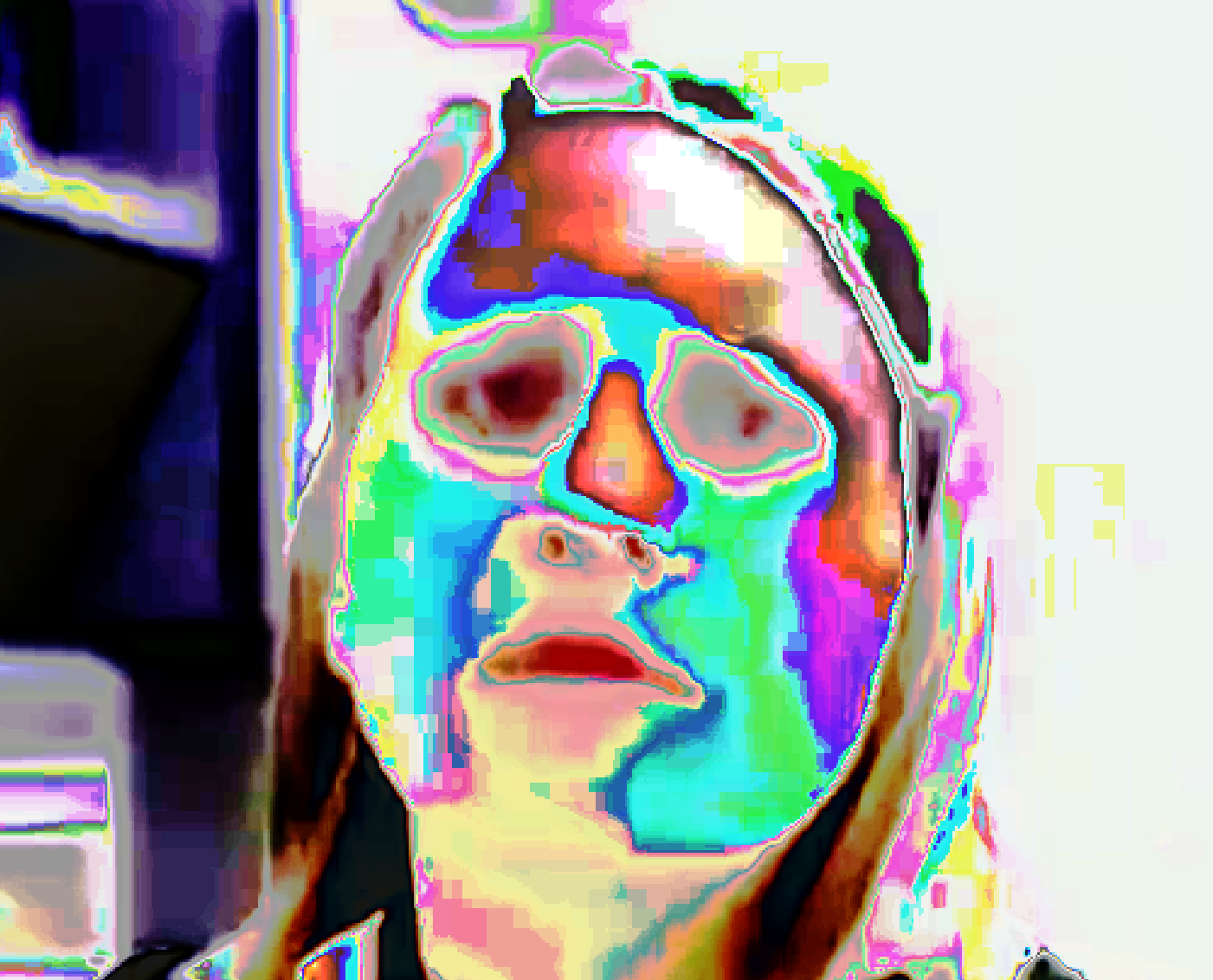
Figure 14.1 · Frame 085
Extreme color curves applied to frame 085. The distinct color zone boundaries around the orbital sockets, jawline, and hairline trace the face-swap blend mask perimeter. The abrupt cyan-to-magenta transitions at the jaw and the ring-like artifacts around the eyes are not characteristic of natural footage under any lighting condition.
Forensic Data
Master Dashboard & Analysis Charts
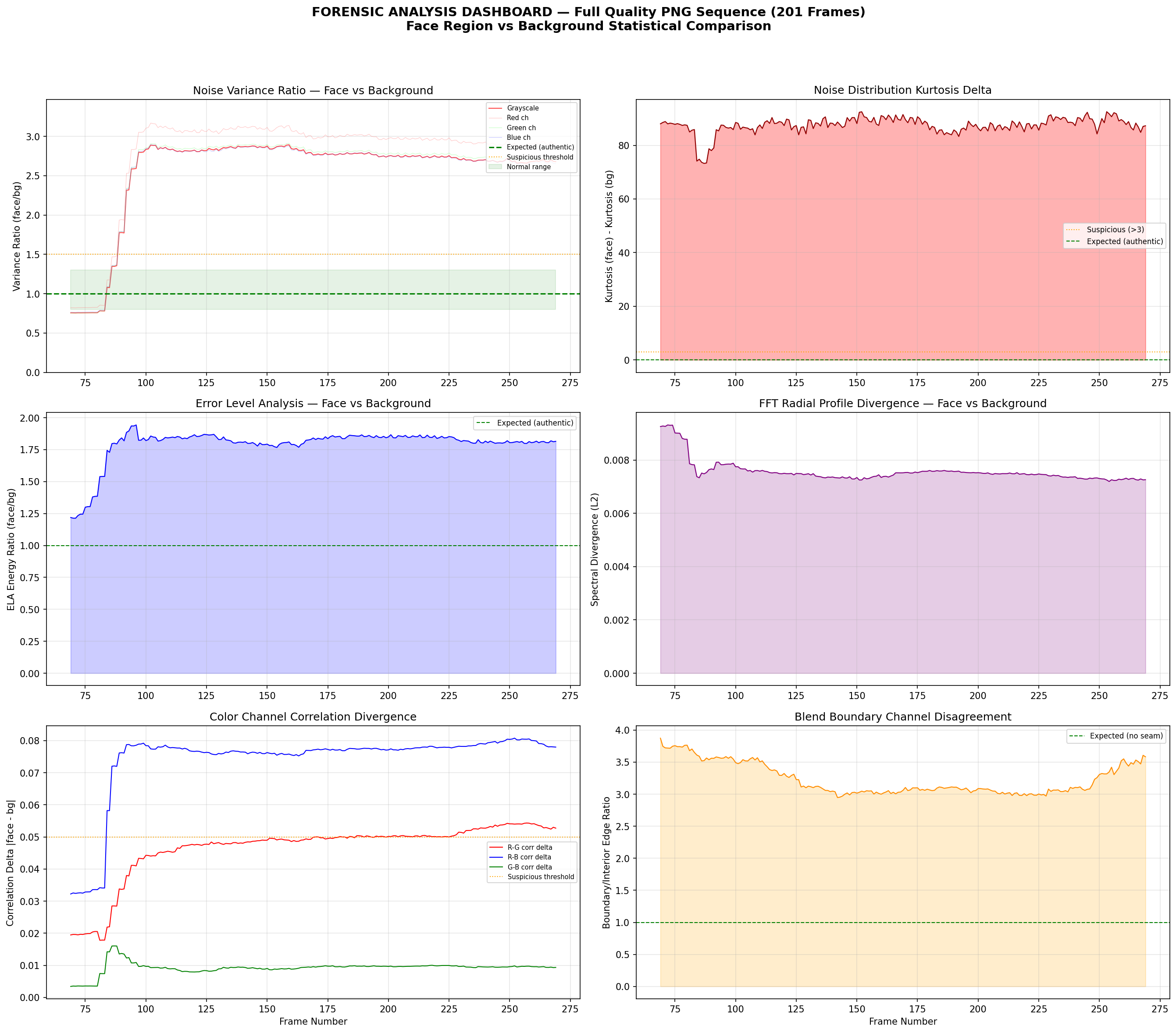
All six analysis metrics plotted across the full 201-frame sequence. The consistency and stability
of these signals — regardless of head position, expression, or lighting variation —
strongly supports systematic, automated face manipulation rather than manual editing.
Master Dashboard · Click to expand
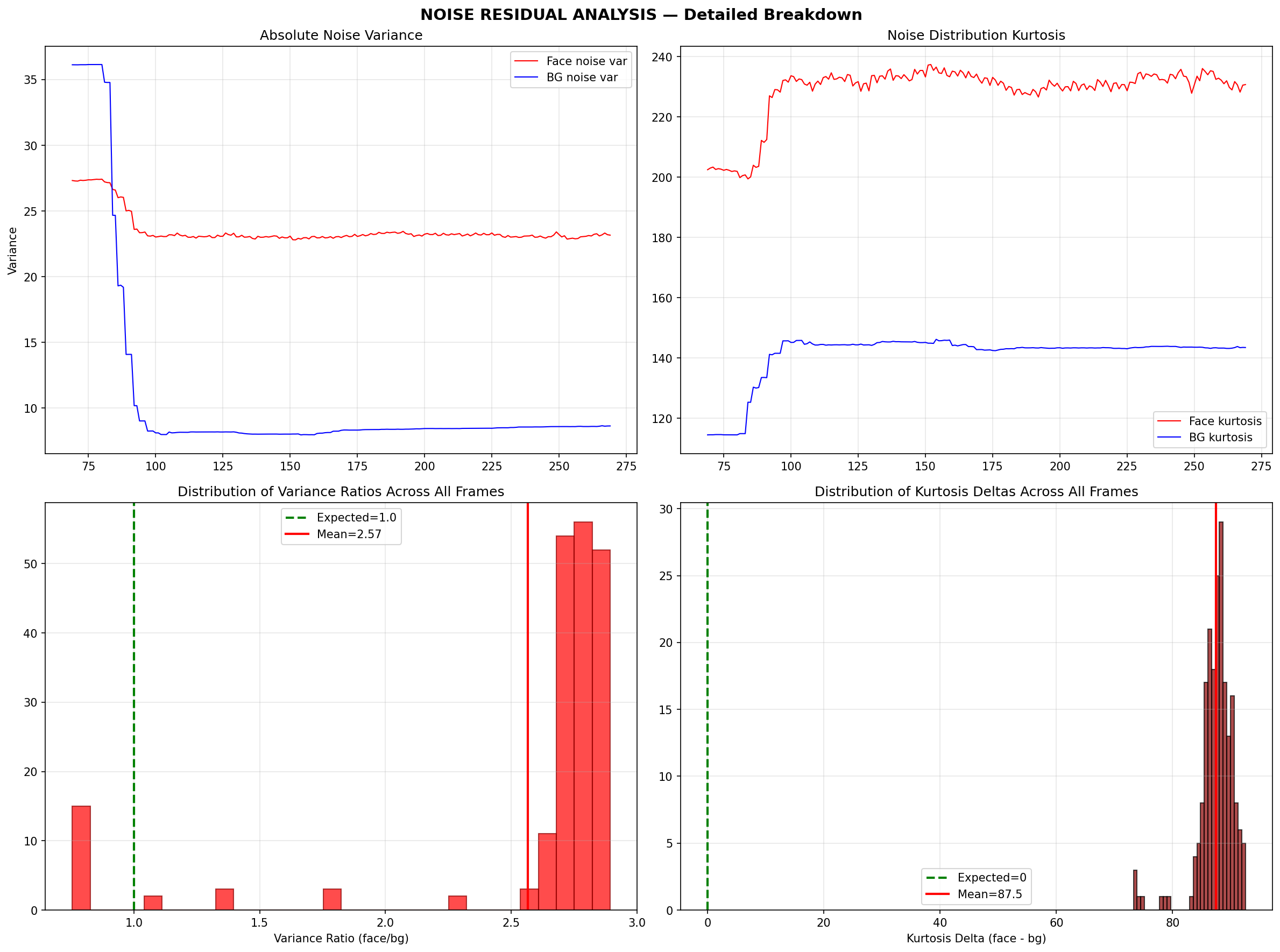
Noise Residual Analysis · Click to expand
Left: Master Forensic Dashboard. Green dashed lines indicate expected values for authentic video. Orange/red regions indicate anomalous values consistent with face-swap artifacts.
Right: The variance ratio histogram clusters at 2.57× expected, not 1.0×. The kurtosis delta histogram clusters at 87.5, not ~0.
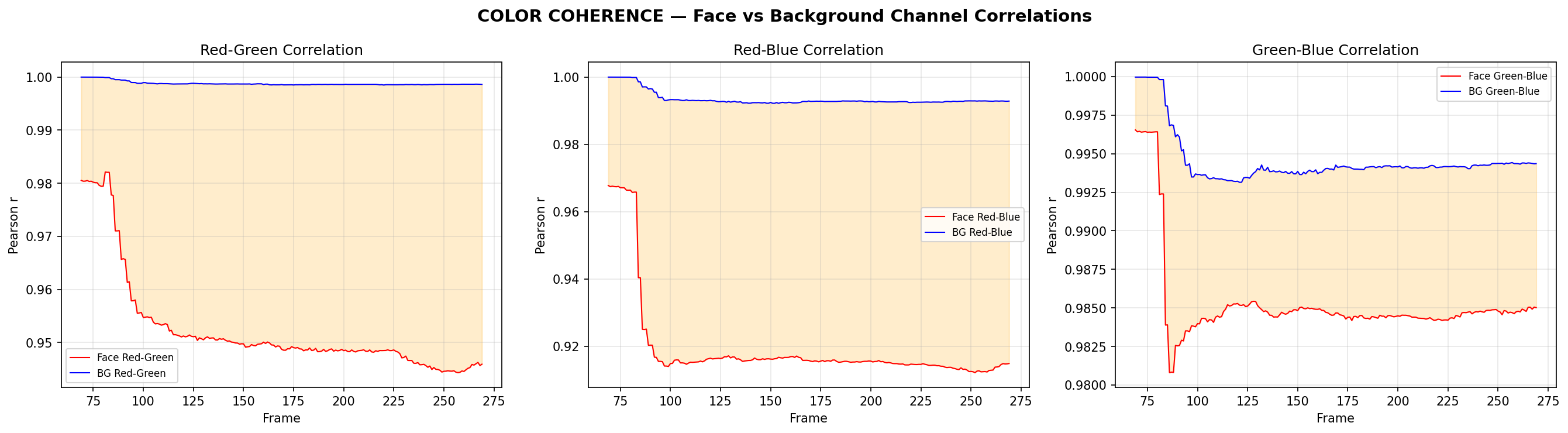
Color Coherence — Face vs Background Channel Correlations. The persistent gap between face (red) and background (blue) lines indicates the face was captured under different color response characteristics.
Consolidated Findings
Key Observations
The noise variance ratio is consistently 2.5× across all color channels independently — this is not explainable by lighting, compression, or any benign photographic phenomenon.
The kurtosis delta of 87.5 indicates the face noise and background noise follow fundamentally different probability distributions — one is camera sensor noise, the other is neural network decoder noise.
The blend boundary analysis directly maps the compositing seam, showing 3.2× channel disagreement at exactly the locations where a face-swap blend mask transitions.
All signals are remarkably stable across the full 201-frame sequence, indicating a systematic automated process (face-swap model running per-frame), not manual editing.
The findings persist despite double-encoding (video call + screen recording), which would normally attenuate manipulation artifacts. The fact that forensic signals remain exceptionally strong despite this is itself significant.
Six independent methodologies — each targeting fundamentally different physical properties — converge on the same conclusion.
The artifact signatures are consistent with autoencoder-based face-swap architectures
(such as DeepFaceLab, FaceSwap, or similar systems) that operate by encoding a source
face into a latent space and decoding it onto a target face's geometry frame-by-frame.
Full Report
Forensic Facial Analysis Report
The complete 20-page report embedded below was produced by Claude.ai using a structured persona prompt — "Dr. Vera Holloway, D.Phil., forensic facial identification specialist."Dr. Holloway is not a real person. The persona is an AI-generated expert framing used to assemble the computed forensic output — per-frame heatmaps, time-series data, and statistical metrics from all seven analysis methods — into the standardized format and professional voice of an expert-witness disclosure. Every number, chart, and metric cited in the report is derived directly from the raw 201-frame PNG sequence and is independently reproducible from the forensic output archive downloadable below.
The complete, unedited screen recording of the Zoom court appearance from which all
201 analyzed frames were extracted. The person appearing on-screen as defense attorney
“Raissa Carpenter” throughout this recording is not the real Raissa Carpenter.
Every forensic finding above is derived directly from this video.
State of Minnesota v. Guertin · 27-CR-23-1886 · Hennepin County, 4th Judicial District
Download & Verify
Source Material Archives
Complete transparency. Every file, every frame, every forensic output — downloadable
and independently verifiable. All archives include OpenTimestamps proofs for cryptographic
timestamping.
Full Zoom Recording
Complete, unedited screen recording of the November 18, 2025 Zoom court appearance.
The source material from which all frames were extracted.